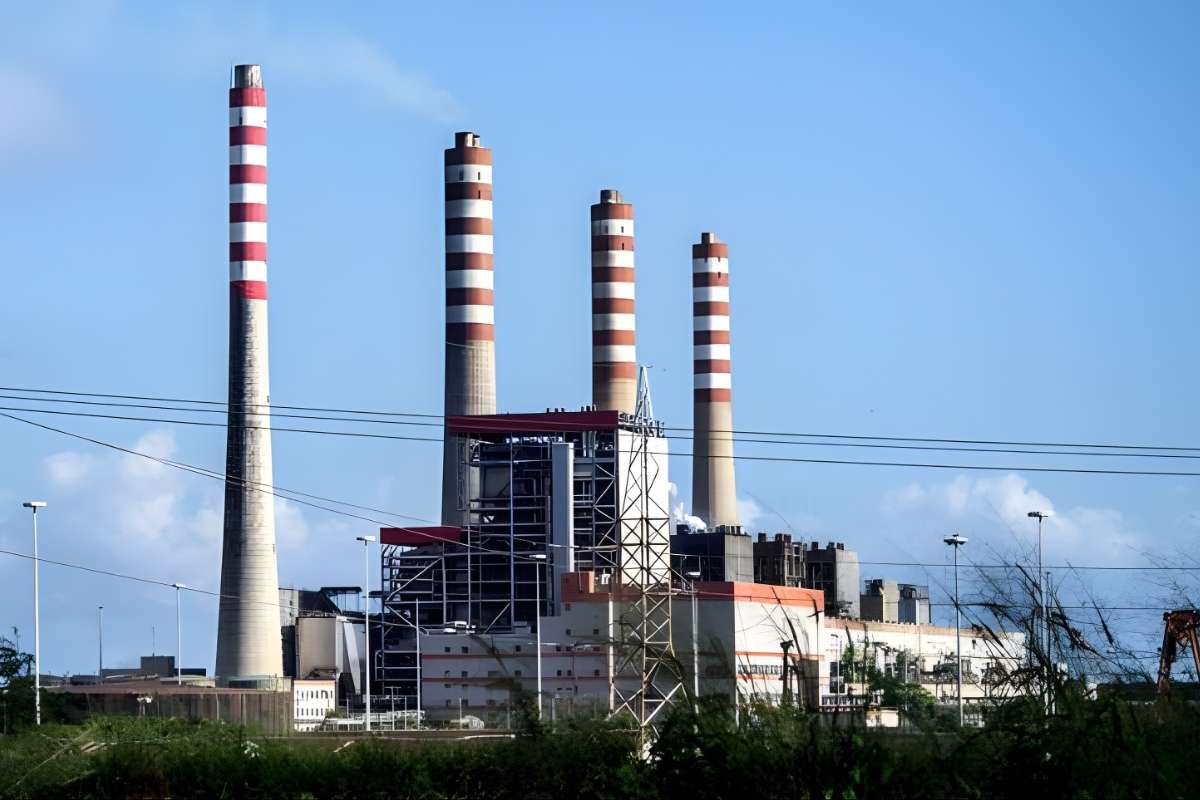
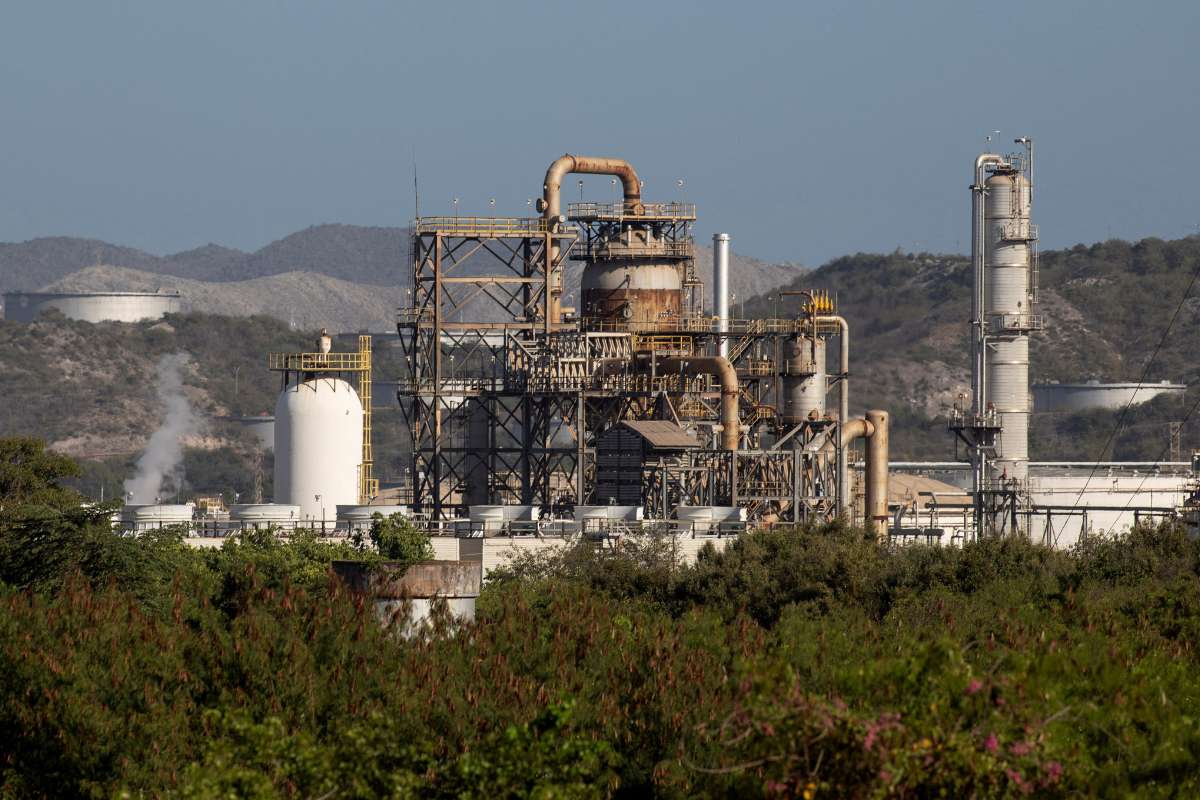
Venezuela’s National Assembly on Thursday gave initial approval to a Venezuela oil law reform, a significant change to the country’s hydrocarbons law that eases restrictions on foreign participation in oil production. Lawmakers seek to revive output and attract new investment through this reform.
The proposed changes would mark a significant shift in how the country’s oil sector operates, loosening long-standing limits that required foreign companies to work primarily through joint ventures with state-owned Petróleos de Venezuela, known as PDVSA. The bill must still pass a second debate before it can become law.
Key Reform Provisions
Under the draft legislation, foreign companies would be allowed to manage oilfields independently, assuming operational and financial risk without mandatory PDVSA participation, according to lawmakers involved in the proposal.
National Assembly member Orlando Camacho said the reform is designed to modernize the sector and encourage greater efficiency by expanding the role of private operators. He said companies would be able to develop oilfields “at their own risk and cost,” a departure from the existing framework that has governed the industry for nearly two decades.
Venezuela nationalized much of its oil sector in the mid-2000s, consolidating control under PDVSA and limiting foreign firms to minority stakes. While the model preserved state ownership, industry analysts have long pointed to underinvestment, operational bottlenecks and declining production as challenges under the current structure.
Impact on PDVSA and Reserves
Venezuela oil law reform holds the world’s largest proven oil reserves, yet production has fallen sharply over the past decade due to aging infrastructure, capital constraints, and technical losses across key fields.
Lawmakers backing the reform argue that easing operational rules could help reverse that trend by accelerating project development and restoring output in mature and underdeveloped areas. The proposal does not eliminate PDVSA’s role but reduces its requirement to be a direct partner in every upstream project.
Supporters say the change could allow the national oil company to focus resources on priority assets while leveraging foreign capital and expertise to bring additional barrels to market.
The Assembly’s leadership said the objective is to move crude from reserves into active production more quickly, improving cash flow and stabilizing the sector.
Investor Conditions and Risks
Despite the regulatory shift, industry sources caution that investment decisions will depend on broader operating conditions, including security, contract stability, and long-term policy consistency.
Energy executives have previously said that companies considering large-scale projects in Venezuela will require clarity on fiscal terms and legal protections before committing capital to multiyear developments.
In a related vote Thursday, lawmakers also backed a separate bill aimed at strengthening legal safeguards for businesses, a move seen as complementary to the hydrocarbons reform and intended to improve the overall investment climate.
Market participants note that Venezuela oil law reform has already resumed limited crude exports under recently announced commercial arrangements, with hundreds of millions of dollars in oil sales reported in recent weeks. Analysts say sustained production growth would be needed for the country to significantly influence global supply flows.
Separately, government officials said public consultations are planned for early March on national infrastructure projects and improvements to essential services such as electricity, water, and transportation, which are critical to supporting large energy operations.
The hydrocarbons reform now advances to a second legislative debate, where lawmakers are expected to review implementation details and contract frameworks before final approval.