US freight rail road emitted more smog-forming nitrogen oxides than coal power plants in 2024, driven by aging diesel locomotives, slow fleet replacement, and industry resistance to costly clean technologies, according to a Reuters analysis of federal data.
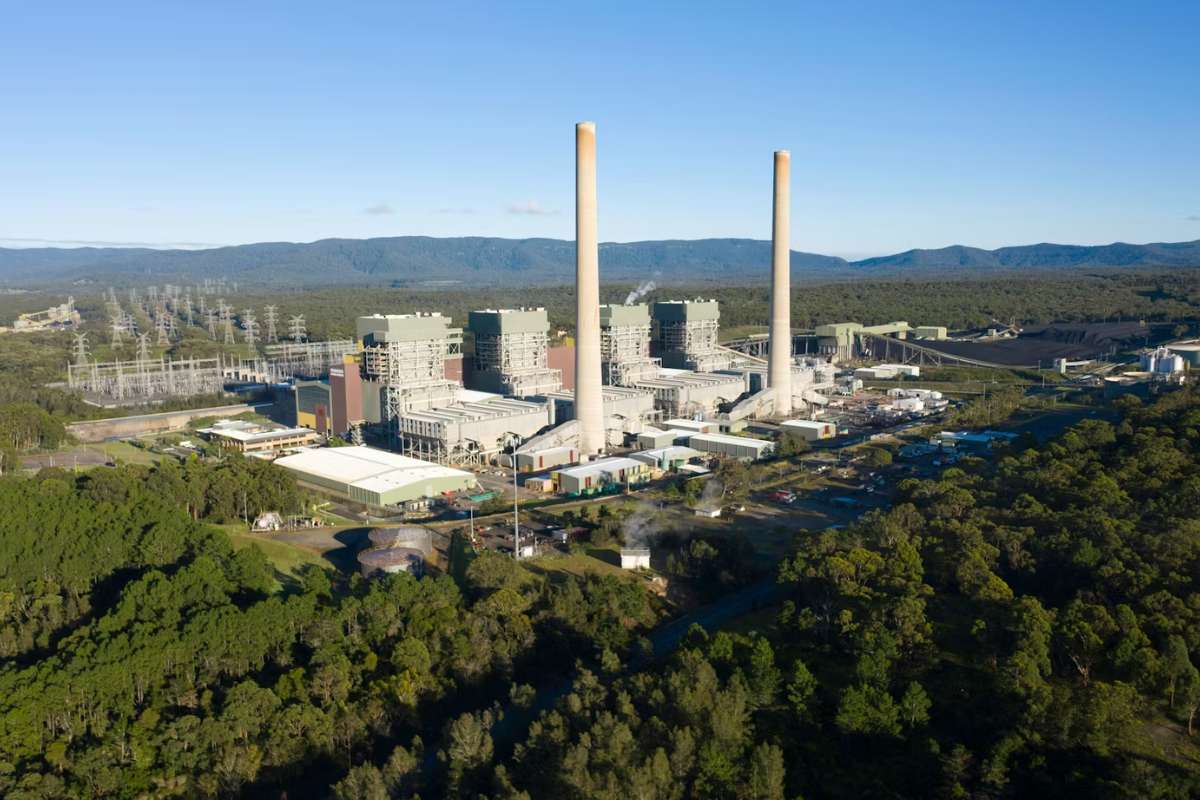
US freight railroads together produced about 485,000 tons of nitrogen oxide, or NOx, in 2024, exceeding the 452,000 tons emitted by coal-fired power plants, Reuters found using fuel consumption data and Environmental Protection Agency emission rates. NOx is a primary contributor to smog and respiratory illness.
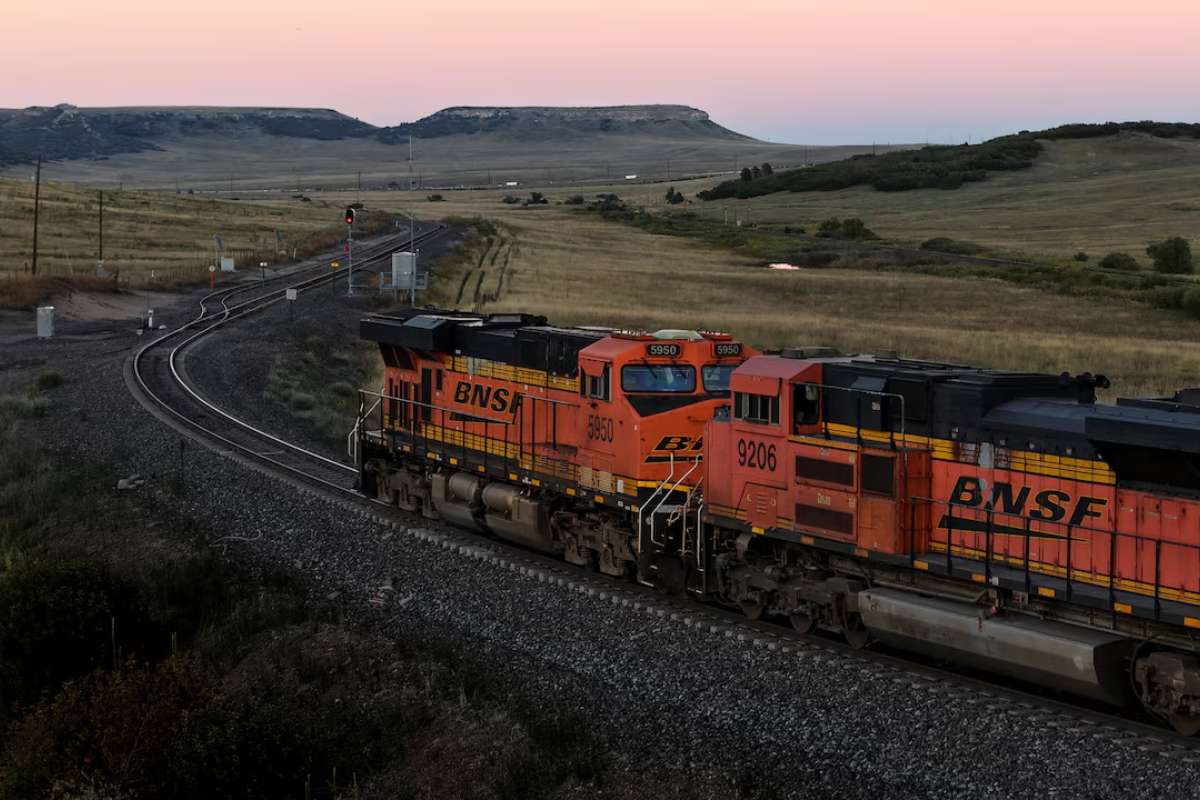
BNSF Railway, the nation’s largest freight railroad and a Berkshire Hathaway subsidiary, accounted for roughly one-third of rail NOx emissions, or about 161,500 tons. The company said it does not dispute the calculation and noted its size by traffic volume.
Rail pollution imposes an estimated $48 billion a year in health care costs and contributes to about 3,100 premature deaths annually, according to the EPA’s Co-Benefits Risk Assessment tool.
Aging Locomotives Drive Emissions
The rail industry’s pollution problem stems largely from its aging fleet. The average US freight locomotive is about 28 years old, up from 20 years in 2009, according to EPA and industry reports.
Federal emissions rules are based on a locomotive’s age, allowing older engines to operate under weaker standards. With no mandate to retire them, railroads have slowed purchases of cleaner models.
“Americans don’t realize how much harmful pollution comes from old diesel locomotives,” said Bill Magavern, policy director at the Coalition for Clean Air. “EPA should require the railroad companies to modernize their fleets.”
Before 2008, US Freight rail roads replaced about four percent of their locomotives each year. By 2024, the replacement rate had fallen to about 0.5 percent, according to the EPA. Only about 6.5 percent of active locomotives operated by the six major railroads meet the strictest federal Tier Four emissions standards.
Sen. Edward Markey, a Massachusetts Democrat, said outdated rules allow companies to delay upgrades. “Our air pollution standards for railroads have an engine-sized loophole,” he said in a statement, “which companies are using to keep old, dirty trains on the tracks.”
BNSF’s Size and Efficiency Questioned
BNSF promotes itself as an environmental leader, citing its large number of modern locomotives. It operates about 360 Tier Four engines, the most of any U.S. railroad, but they represent only about five percent of its fleet.
By comparison, Canadian National’s Tier Four locomotives make up roughly 27 percent of its fleet, according to analysts and company disclosures.
BNSF also ranks last among the six major railroads in fuel efficiency. In 2024, it burned about 1.14 gallons of diesel to move one ton of freight 1,000 miles, compared with 0.88 gallons for Canadian National, federal filings show.
Analysts attribute some of that gap to BNSF’s heavy reliance on time-sensitive intermodal US freight rail and limited use of precision-scheduled railroading. BNSF declined to comment on specific efficiency factors but said newer locomotives burn fuel more cleanly.
Regulation Fears Slow Clean Technology
Railroads say uncertainty over future regulations discourages investment. California proposed rules that would have banned locomotives older than 23 years and required zero-emissions engines by 2035, but withdrew the plan earlier this year.
“These locomotives have a lifespan of 40 to 45 years,” said Roger Nober, a former BNSF executive now at George Washington University. “Railroads don’t see that as an efficient use of their capital.”
The industry also argues that alternatives are limited. “Locomotives have little choice but to burn diesel,” the Association of American Railroads said, adding that electrifying U.S. freight lines could cost more than $1.1 trillion.
EPA declined to comment on rail emissions specifically, saying it remains committed to protecting air quality nationwide.
Visit Oil Gas Energy Magazine for the most recent information.