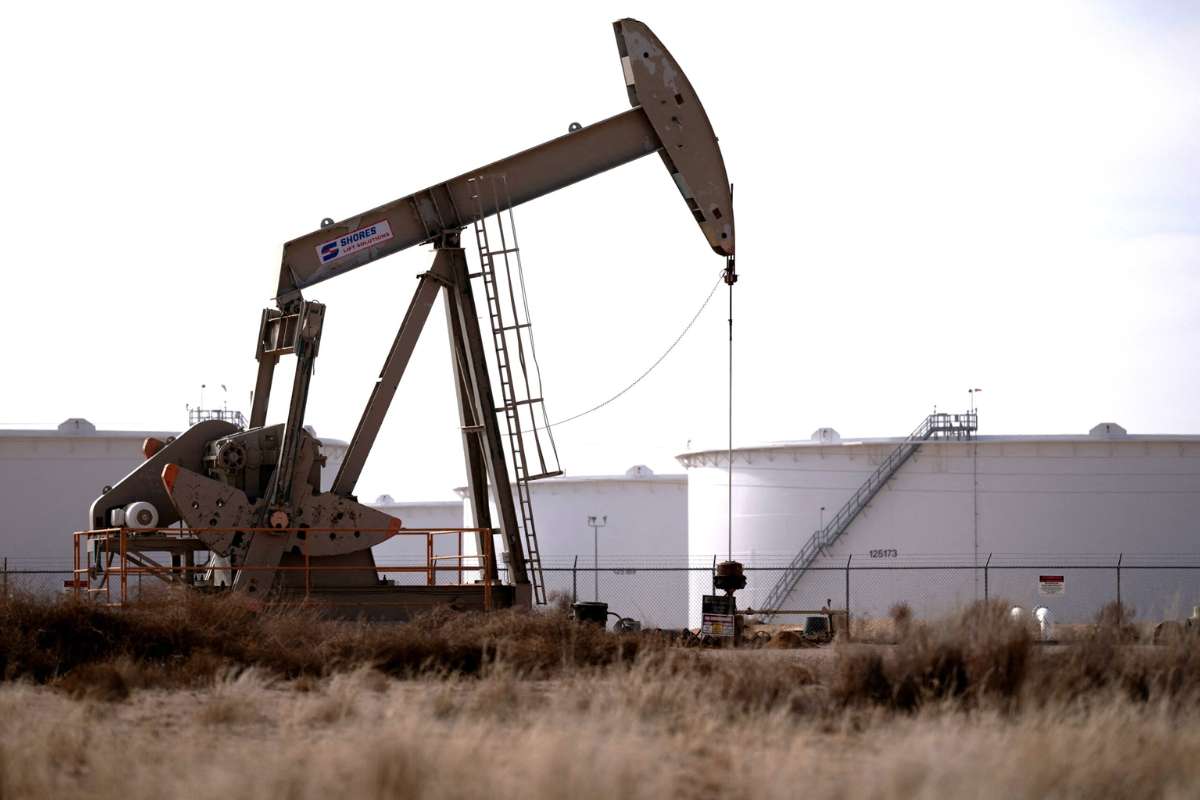
U.S. crude oil settled at its lowest level since early 2021 on Tuesday, falling nearly three percent as higher global supply levels and a reassessment of geopolitical risk contributed to sustained downward pressure on energy markets.
West Texas Intermediate crude declined $1.55, or 2.73%, to close at $55.27 per barrel, according to NYMEX settlement data. Brent crude, the international benchmark, fell $1.64, or 2.71%, to $58.92 per barrel.
US crude oil prices are down about 23% for the year, marking their steepest annual decline since 2018. Brent crude has fallen approximately 21%, its weakest yearly performance since 2020.
Increased Production Drives Prices Lower
Oil prices have faced consistent pressure in 2025 as OPEC+ producers increased output following an extended period of production restraint. The additional supply has contributed to expectations of a market surplus, according to multiple industry assessments.
Production increases by major exporters have coincided with steady, but slower, growth in global oil demand. Market participants have focused on inventory levels and export flows as indicators of near-term price direction.
According to Rystad Energy, higher production volumes from OPEC+ members have altered the global supply-demand balance. The firm said available supply has increased faster than consumption growth in recent months.
US crude oil inventories have also remained elevated relative to seasonal averages, reinforcing concerns about oversupply, according to data from the Energy Information Administration.
Geopolitical Factors Reassessed by Markets
Market participants have adjusted geopolitical risk assessments related to Eastern Europe, a factor that has influenced oil pricing since 2022. The region remains a key variable for global energy trade flows and sanctions policy.
Russia’s oil sector has been subject to U.S. and European sanctions, while Ukrainian attacks on energy infrastructure have periodically disrupted production and logistics. These developments have contributed to supply uncertainty over the past three years.
Analysts at Rystad Energy said that a potential easing of restrictions could allow additional Russian crude to reach global markets, though no policy changes have been announced.
“This would reduce the risk of near-term supply disruptions and could result in additional volumes returning to international trade,” said Jorge Leon, head of geopolitical analysis at Rystad Energy.
Rystad estimates that approximately 170 million barrels of Russian oil are currently held in floating storage. The firm noted that any release of these volumes would further affect supply conditions.
Leon added that changes in sanctions policy could also influence OPEC+ production strategies, particularly regarding market share considerations.
Economic Data Adds to Demand Uncertainty
US crude oil prices have coincided with recent U.S. economic data indicating softer labor market conditions. U.S. job growth totaled 64,000 in November, while October employment figures were revised down by 105,000 jobs, according to government data.
The U.S. unemployment rate rose to 4.6%, the highest level in four years. Economists monitor employment trends closely as indicators of fuel demand across transportation and industrial sectors.
U.S. gasoline prices have fallen below $3 per gallon, the lowest level in four years, according to AAA. Lower fuel costs may influence short-term consumer spending patterns, particularly during the holiday period.
Energy equities moved broadly in line with crude prices, while transportation and consumer-related sectors showed relative stability due to lower input costs, according to market data.
Analysts said crude prices are likely to remain sensitive to supply trends, inventory data, and macroeconomic indicators in the coming months.
Market forecasts suggest prices could remain range-bound into early 2026 unless demand indicators strengthen or producers revise output targets.
Visit Oil Gas Energy Magazine for the latest information.