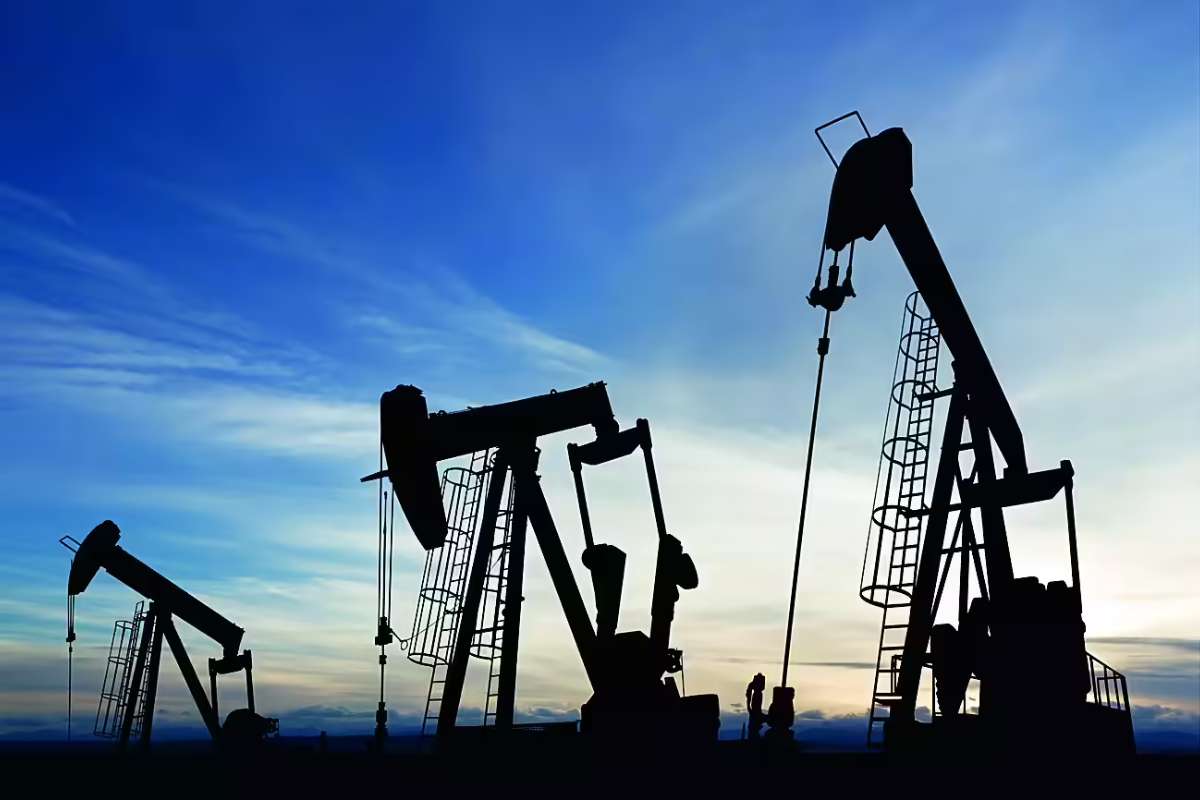

OPEC Plus decided on Jan. 4, 2026, to keep oil production levels unchanged through the first quarter of 2026, reaffirming a pause on output increases first agreed in November.
The decision was taken during a brief online meeting of eight OPEC+ members: Saudi Arabia, Russia, the United Arab Emirates, Kazakhstan, Kuwait, Iraq, Algeria, and Oman. These countries collectively account for about half of the global oil supply.
OPEC+ said the policy reflects current market conditions and seasonal demand patterns during the northern hemisphere winter.
OPEC Plus Production Policy and Market Data
Under the existing agreement, the eight producers had previously raised combined output targets by about 2.9 million barrels per day during 2025, equivalent to nearly 3% of global oil demand.
In November, the group agreed to pause further increases for January, February, and March due to relatively low seasonal demand. That pause was confirmed at the Jan. 4 meeting, with no changes to quotas or timelines announced.
Oil prices declined by more than 18% in 2025, marking the steepest annual drop since 2020. The decline has been cited in market reports as a key data point shaping near-term supply decisions.
OPEC+ did not announce any additional voluntary adjustments or revisions to existing production targets during the meeting.
Next Steps and Market Context
“The eight countries will next meet on February 1,” OPEC+ said in a statement. The group indicated that market conditions would continue to be assessed ahead of that meeting.
OPEC Plus has stated in prior communications that production policy decisions are guided by market balance, inventory levels and demand trends. No changes to the current framework were announced on Sunday.
Global oil demand typically softens during the first quarter due to winter seasonality in major consuming regions. Industry data shows that this period often coincides with higher inventories and reduced refinery runs.
OPEC+ reiterated that the current measures are intended to support market stability and ensure predictable supply levels during the low-demand period.
No further details were released following the meeting