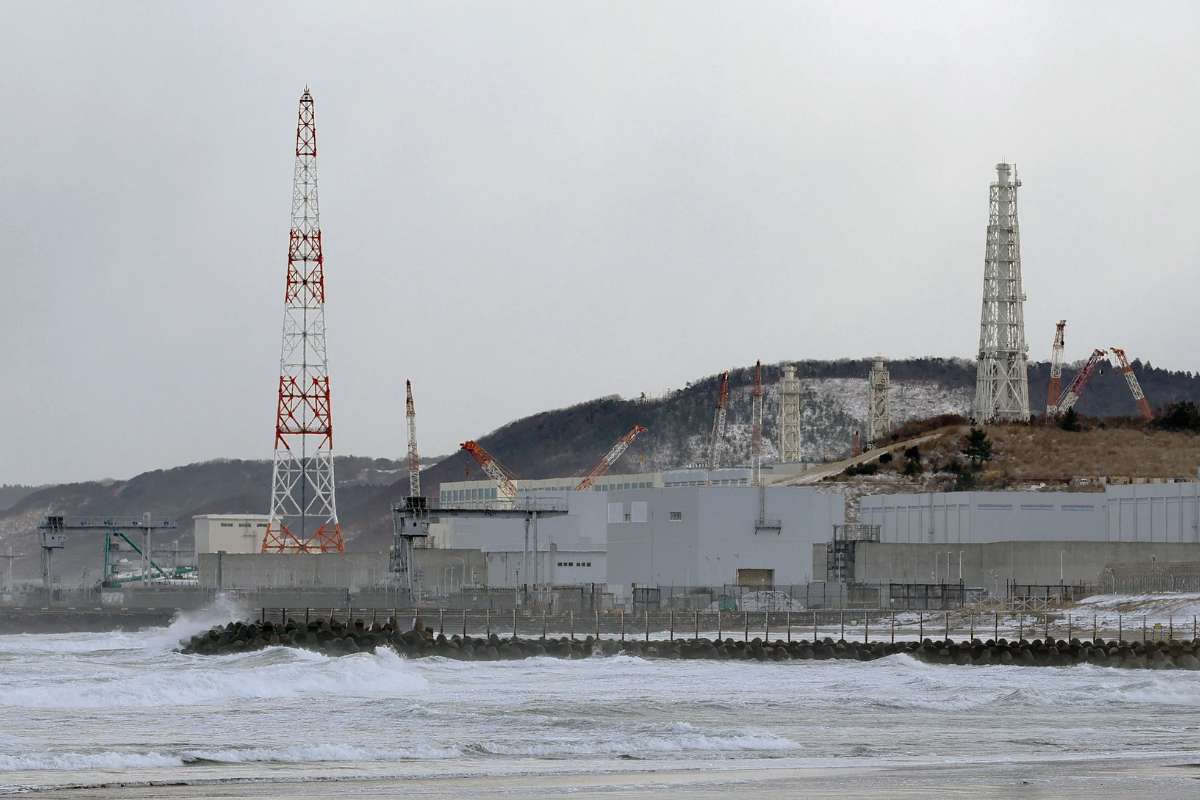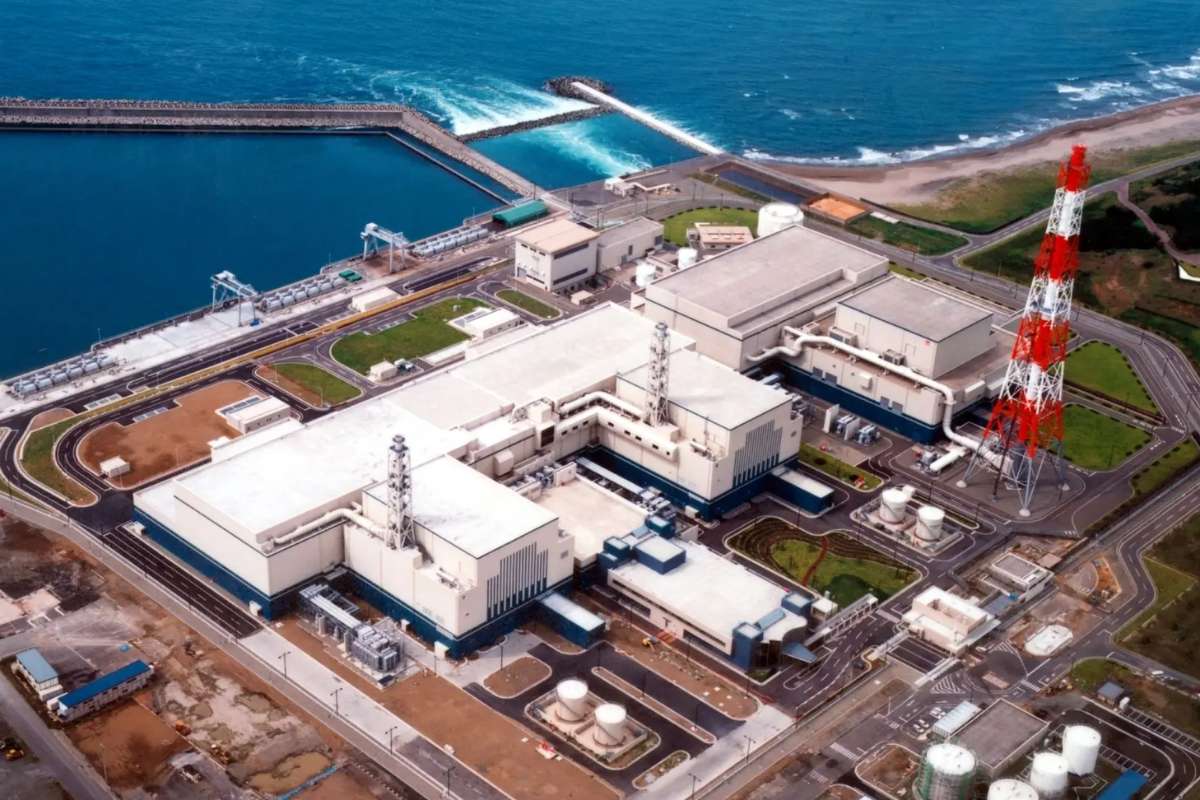

The United States and the United Kingdom have announced a series of nuclear power agreements designed to accelerate clean energy deployment, strengthen supply chains, and reduce reliance on imported nuclear fuel. The collaborations highlight the role of advanced reactor technologies in both countries’ energy and economic strategies.
The agreements, finalized during a bilateral summit, involve partnerships between leading firms from both nations. Projects will include new small modular reactors (SMRs), micro modular plants, advanced data centers, and fuel supply initiatives aimed at diversifying the global nuclear sector.
Small Modular Reactors and Industrial Projects
X-energy, a U.S.-based developer of advanced nuclear systems, and U.K. utility Centrica plan to construct up to 12 SMRs in Hartlepool, northeast England. The long-term program envisions a fleet capable of delivering six gigawatts of clean power nationwide, a significant contribution to decarbonization goals.
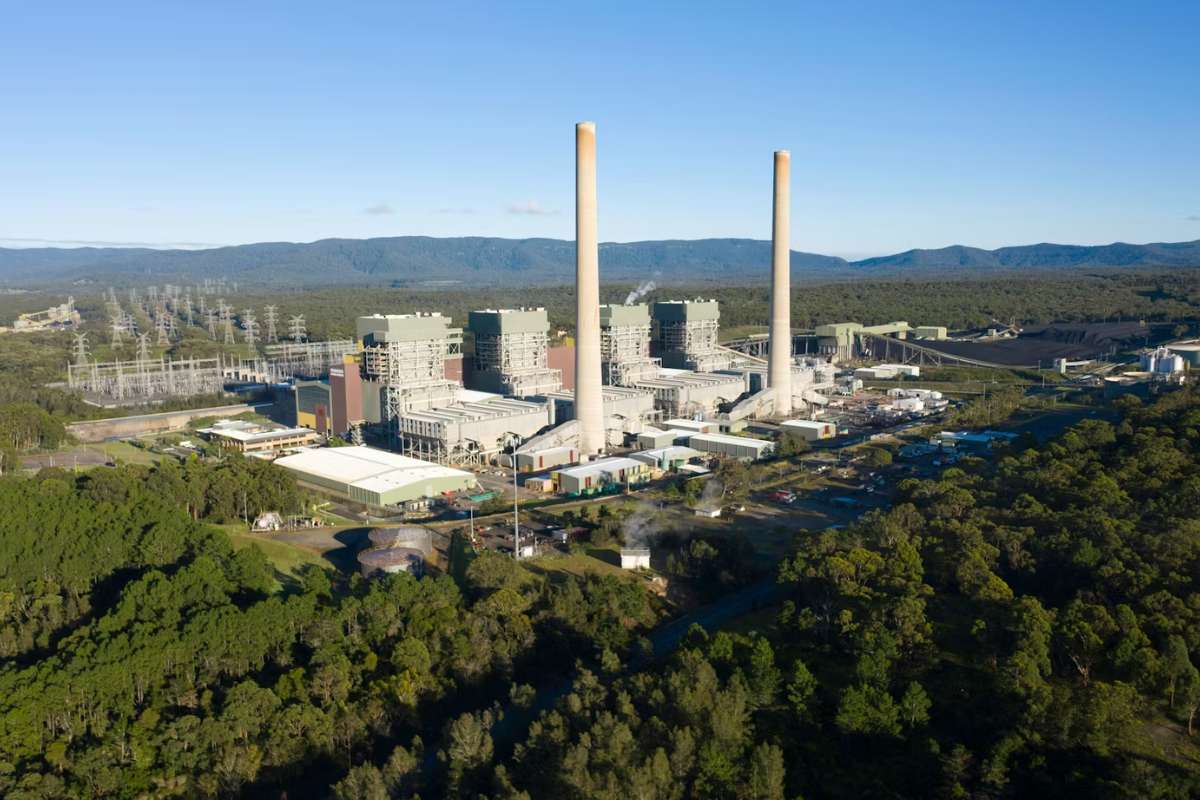
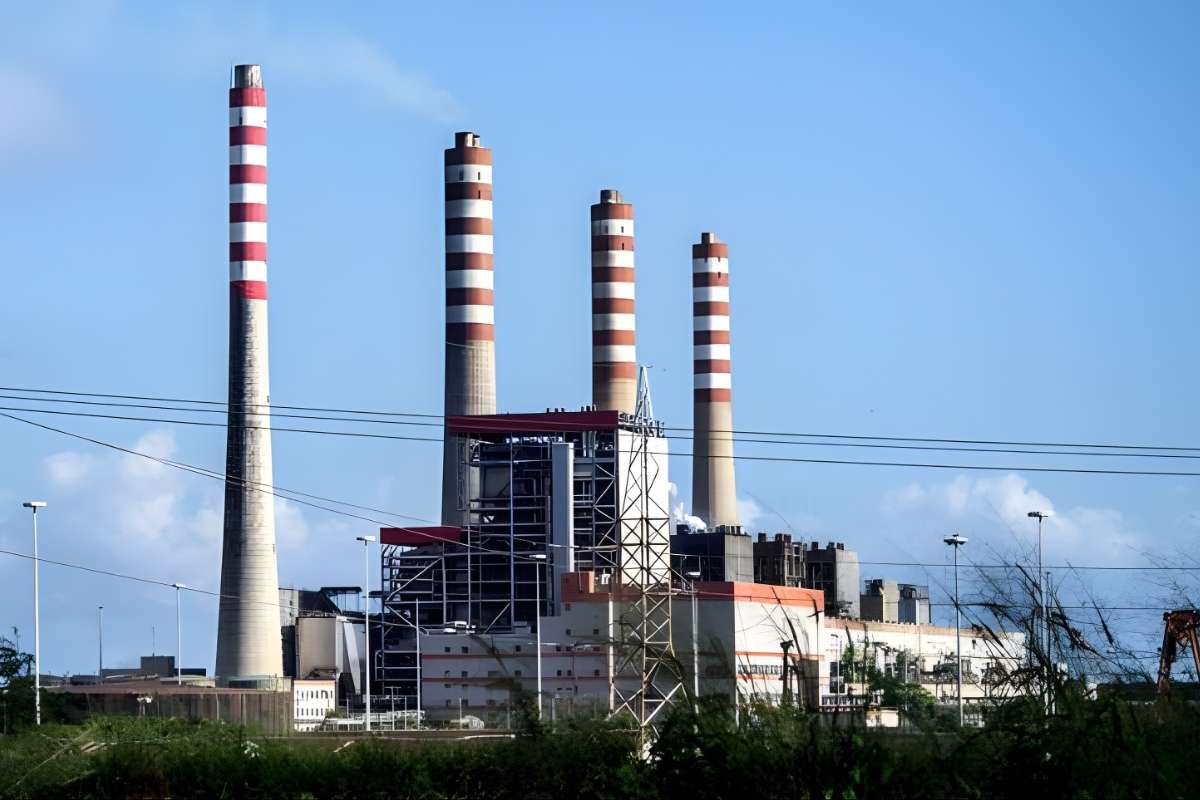
Holtec, EDF, and Tritax will repurpose a former coal-fired power station in Nottinghamshire to host SMR-powered data centers. The project is intended to support digital infrastructure while demonstrating how nuclear technology can modernize existing industrial sites.
In London, Last Energy and logistics company DP World are preparing one of the world’s first micro modular nuclear power agreement plants. The facility will provide electricity for the expansion of DP World’s London Gateway port and business park, showing how nuclear innovation can directly support trade and logistics hubs.
Strengthening Nuclear Fuel Supply Chains
Beyond new power generation, several agreements focus on nuclear fuel security. Urenco and Radiant will establish a $4.6 million deal to supply High-Assay Low-Enriched Uranium (HALEU) for advanced reactors in the U.S. At present, commercial quantities of HALEU are only produced in Russia, making the deal a step toward diversifying international supply chains.
TerraPower, in collaboration with engineering firm KBR, will begin evaluating potential sites in the U.K. for deployment of the Natrium advanced reactor. The technology combines nuclear power agreement with integrated storage, aiming to provide both reliable electricity and flexible grid support.
Looking further ahead, the U.S. will host a Global Fusion Energy Policy Summit to expand international cooperation on fusion energy, a field that promises long-term breakthroughs in clean power generation.
Economic Impact and Clean Energy Goals
Industry leaders emphasize that the agreements are not only about meeting climate targets but also about building industrial resilience and creating new opportunities for economic growth. By advancing modular designs and securing new fuel sources, the projects are expected to lower costs, enable faster deployment, and deliver thousands of skilled jobs.
These initiatives come at a time when both countries are working to balance energy security with decarbonization targets. Nuclear energy, with its ability to provide steady, carbon-free electricity, is increasingly viewed as a cornerstone of future energy systems.
Analysts note that challenges remain, including financing and regulatory approvals, but the wide-ranging partnerships demonstrate a commitment to innovation and diversification in the nuclear sector. If successful, they could serve as a model for international cooperation in clean energy, combining technological leadership with long-term industrial resilience.
Visit Oil Gas Energy Magazine for the most recent information.