Key Points:
- Lukoil Gunvor deal: Lukoil accepted Gunvor’s offer to buy its overseas operations.
- Sale Linked to Sanctions: The move follows new U.S. sanctions; the deal awaits OFAC approval.
- Market Impact: The transfer may alter global oil trading, though supply effects are minimal.
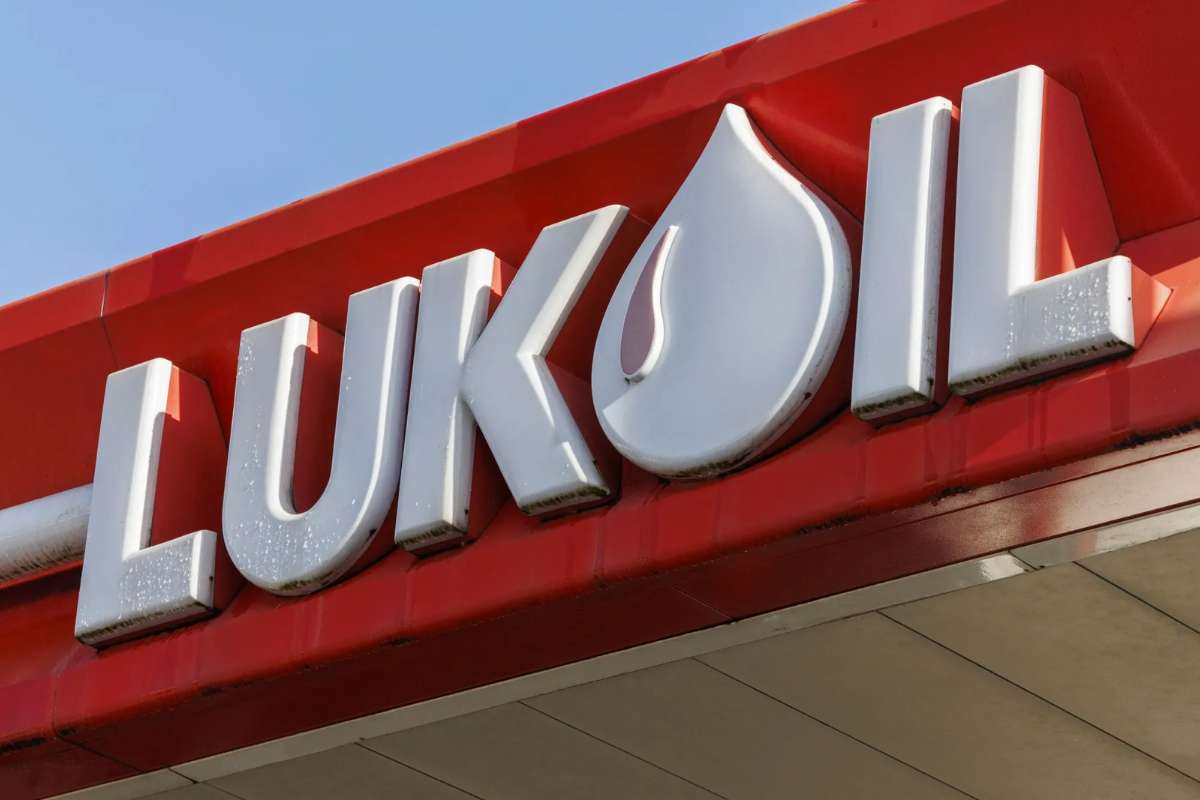
Lukoil, Russia’s second-largest oil producer, said Thursday it has accepted an offer from global commodity trader Gunvor to purchase its foreign assets. The Lukoil Gunvor deal follows recent U.S. sanctions targeting Russian energy companies, part of ongoing international measures related to the conflict in Ukraine.
In a statement, Lukoil said it agreed to sell Lukoil International GmbH, the subsidiary managing its overseas operations. The key terms of the transaction have been agreed upon by the parties earlier. On its side, Lukoil accepted the offer, having undertaken not to negotiate with other potential buyers, the company said.
Gunvor confirmed it was in discussions with Lukoil regarding the possible acquisition. The agreement represents one of the most significant corporate responses to the latest sanctions affecting the Russian energy sector.
The sale follows recent U.S. sanctions
The U.S. Treasury Department issued a licence allowing companies until Nov. 21 to wind down transactions with Lukoil and Rosneft, another Russian energy firm included in the new restrictions. The licence provides temporary permission for companies to complete existing operations before the sanctions take full effect.
Lukoil said it may seek an extension of the licence if needed to finalize the sale. The Lukoil Gunvor deal remains subject to approval from the Office of Foreign Assets Control (OFAC), the U.S. agency overseeing sanctions compliance.
Neither company has disclosed the value of the transaction or its expected timeline for completion.
Transaction awaits regulatory clearance
Gunvor, headquartered in Geneva, is one of the world’s leading independent commodity trading firms. The company grew rapidly in the 2000s as a major trader of Russian crude oil. It has since diversified its portfolio, expanding into liquefied natural gas, refined products, and renewable energy assets.
In recent years, Gunvor and other trading houses such as Vitol and Trafigura have used strong financial results from high energy prices to acquire refineries, oil fields, and related infrastructure. The potential Lukoil Gunvor deal would further expand Gunvor’s global footprint.
Lukoil stated earlier this week that the sale of its foreign assets aligns with its goal of maintaining compliance with evolving international regulations and ensuring business continuity in its domestic operations.
Market impact remains under review
Lukoil, headquartered in Moscow, produces about 2% of global crude oil. Its largest overseas holding is a 75% stake in Iraq’s West Qurna 2 oil field, which produced roughly 480,000 barrels per day in April, according to Russian news agency Interfax. The company also owns refineries in Bulgaria and Romania, as well as fuel supply networks in Hungary, Slovakia, and Turkey.
Industry analysts say the transfer of Lukoil’s international assets could reshape trading flows and asset ownership within the global oil market, though the overall supply impact is expected to be limited in the near term.
The transaction, once cleared by relevant authorities, would represent a shift in asset control from a Russian state-linked producer to a privately held European trading firm. Both companies indicated that additional details, including transaction structure and regulatory progress, would be announced as they become available.
Lukoil continues to operate its core production and refining assets in Russia while monitoring developments related to sanctions and regulatory requirements. The Lukoil Gunvor deal marks a major development in Russia’s efforts to adapt to global sanctions while maintaining international business ties.