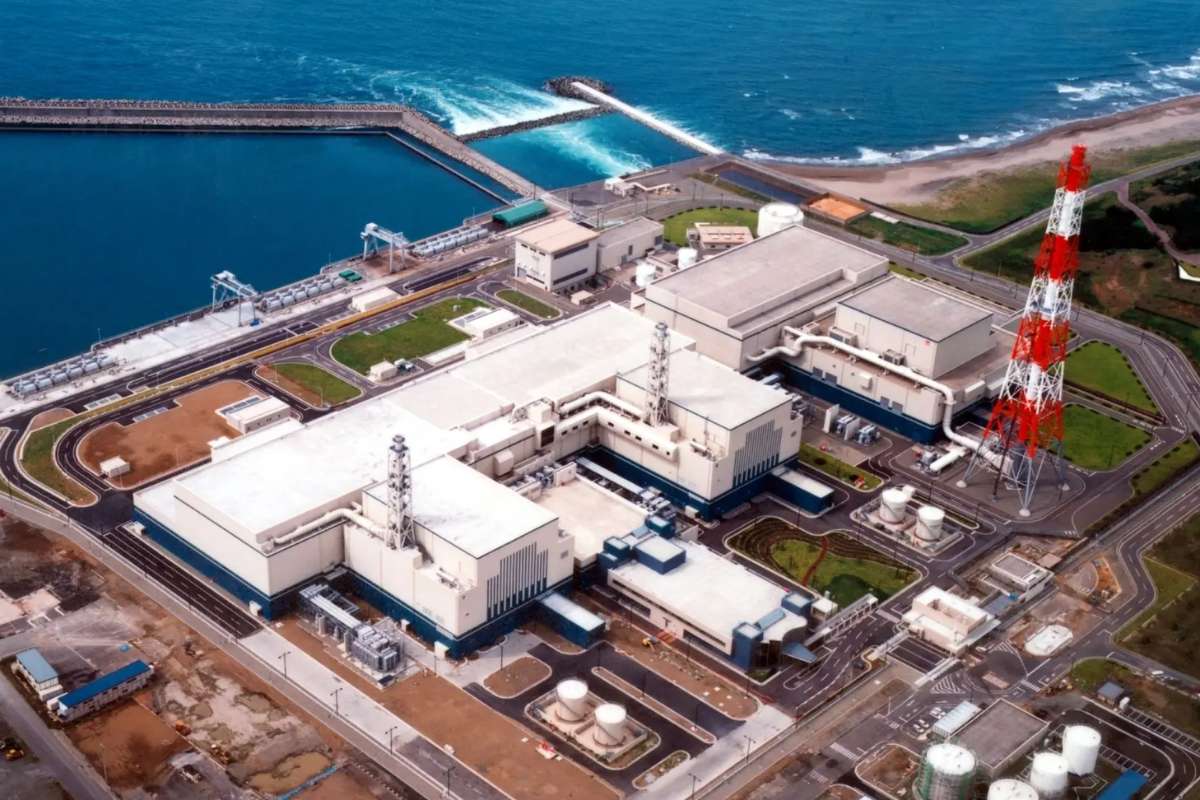
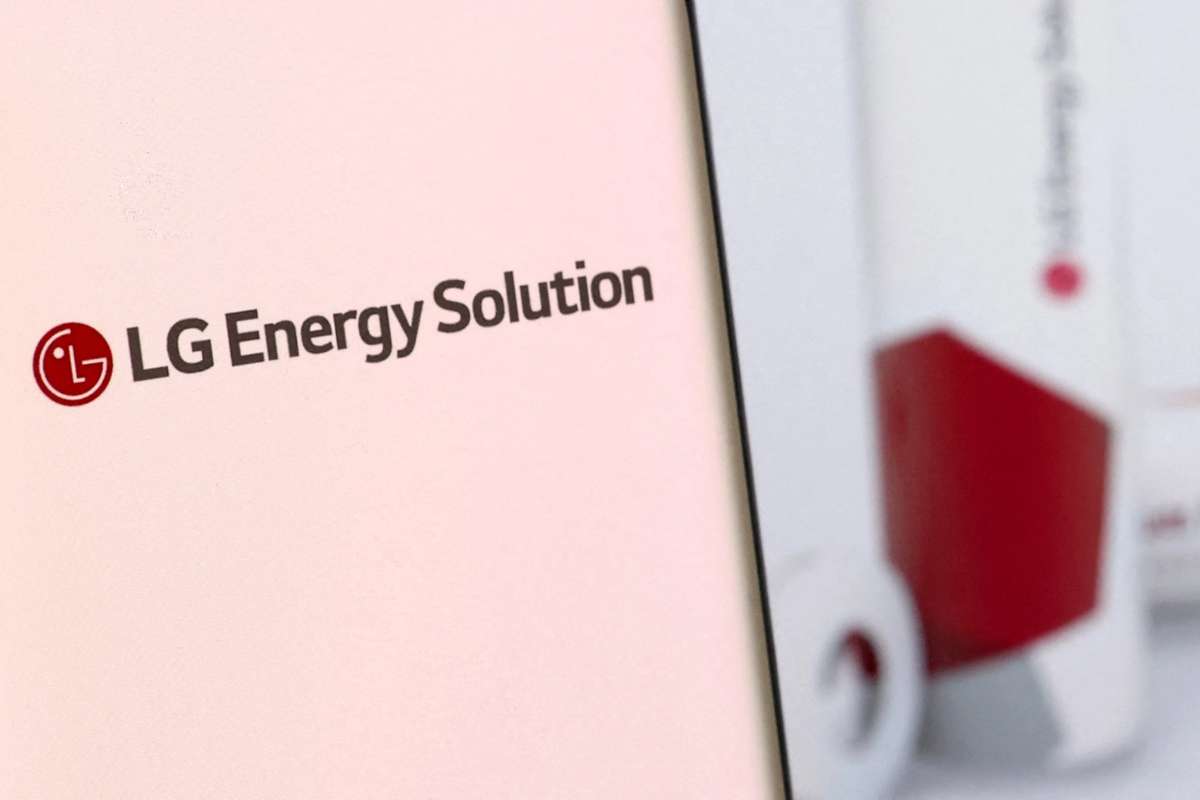
LG Energy Solution has agreed to sell factory building assets at its Ohio battery facility to Honda Development and Manufacturing of America. The transaction is valued at about $2.86 billion and covers the building and related assets, while excluding land and production equipment. The move is aimed at improving how the joint venture operates and manages long-term battery production in the United States.
The South Korean battery maker confirmed that the sale does not change the structure of its partnership with Honda. LG Energy Solution will continue to hold its stake in the joint venture and remains committed to battery manufacturing at the site. People familiar with the matter said the transaction is designed to streamline operations rather than signal a shift away from the collaboration.
Operational Efficiency and Long-Term Battery Planning
LG Energy Solution said the asset sale will help improve joint venture operational efficiency. By transferring ownership of the building assets to Honda, the partners expect clearer alignment between manufacturing operations and long-term production planning.
Production at the Ohio facility is expected to begin next year. The plant is a key part of Honda’s broader electrification and battery strategy in North America. Honda said owning the building assets allows it to commit to battery production over a longer horizon. This structure also gives Honda flexibility to support batteries used not only in electric vehicles but also in hybrid models.
For entrepreneurs and business owners in the energy and manufacturing sectors, the deal highlights a growing focus on asset optimization. Instead of unwinding partnerships during periods of market adjustment, companies are reworking ownership and operational models to improve efficiency and reduce friction.
LG Energy Solution emphasized that it is not dissolving the joint venture or reducing its involvement. The company continues to view the U.S. market as central to its global battery strategy, particularly as demand patterns evolve across vehicle types and energy applications.
Industry Context and Shifting Battery Demand
The announcement follows recent changes across the global battery and automotive industries. LG Energy Solution recently disclosed that Ford Motor ended a major electric vehicle battery supply agreement. The cancellation reflects broader recalibration in the pace and scale of electric vehicle production across several manufacturers.
Other battery producers are also adjusting their strategies. SK On ended its joint venture with Ford in the United States earlier this month. At the same time, several South Korean battery companies have repurposed production lines to focus on batteries for energy storage systems. These systems are increasingly used in data centers and large industrial facilities, where demand for stable power storage continues to grow.
These developments point to a wider trend in the energy sector. Battery makers are balancing investments between electric mobility and stationary energy storage. This shift allows companies to diversify revenue streams while making use of existing manufacturing capacity.
For business leaders, the LG Energy Solution and Honda transaction shows how partnerships can evolve without disruption. By adjusting asset ownership rather than exiting projects, companies can maintain momentum while adapting to market realities.
Overall, the Ohio factory asset sale reflects a pragmatic approach to long-term energy manufacturing. It supports continued battery production, reinforces collaboration between a major automaker and a global battery supplier, and signals a focus on operational clarity. For entrepreneurs watching the energy transition, it offers a clear example of how large players are refining strategies to stay resilient and efficient in a changing market.
Visit Oil Gas Energy Magazine for the latest information.