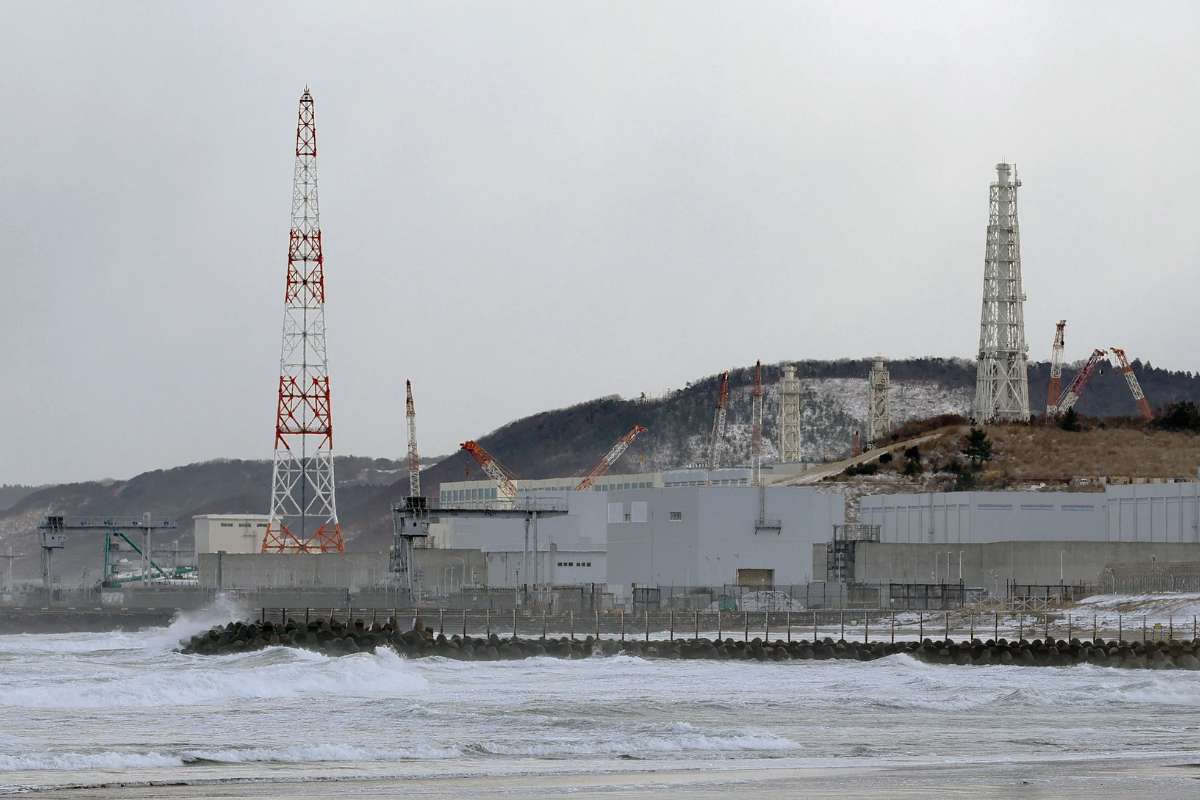
Japan on Wednesday restarted one reactor at the Kashiwazaki Kariwa nuclear power plant in Niigata prefecture, marking the first revival of a Tokyo Electric Power Company facility since the 2011 Fukushima disaster amid energy security and climate goals. Japan Restarts Kashiwazaki-Kariwa Nuclear Reactor After Fukushima
Reactor Restart Revives Post-Fukushima Nuclear Debate
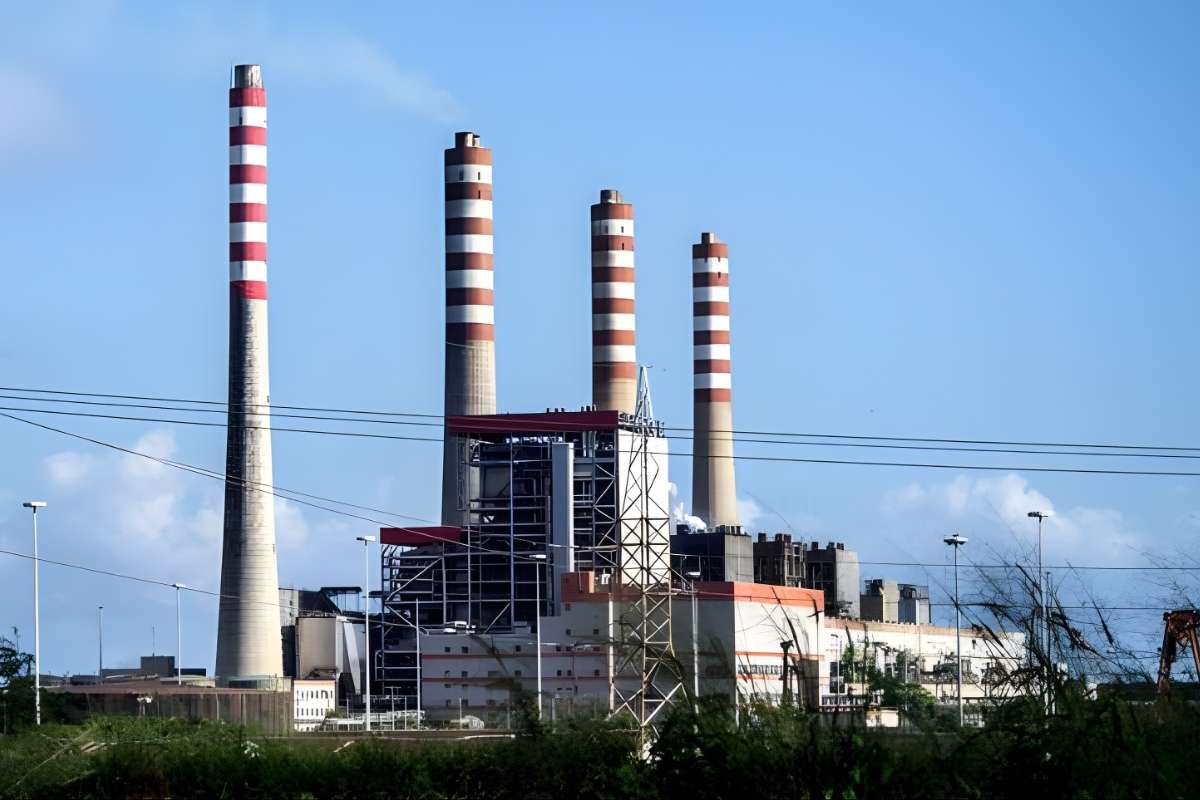
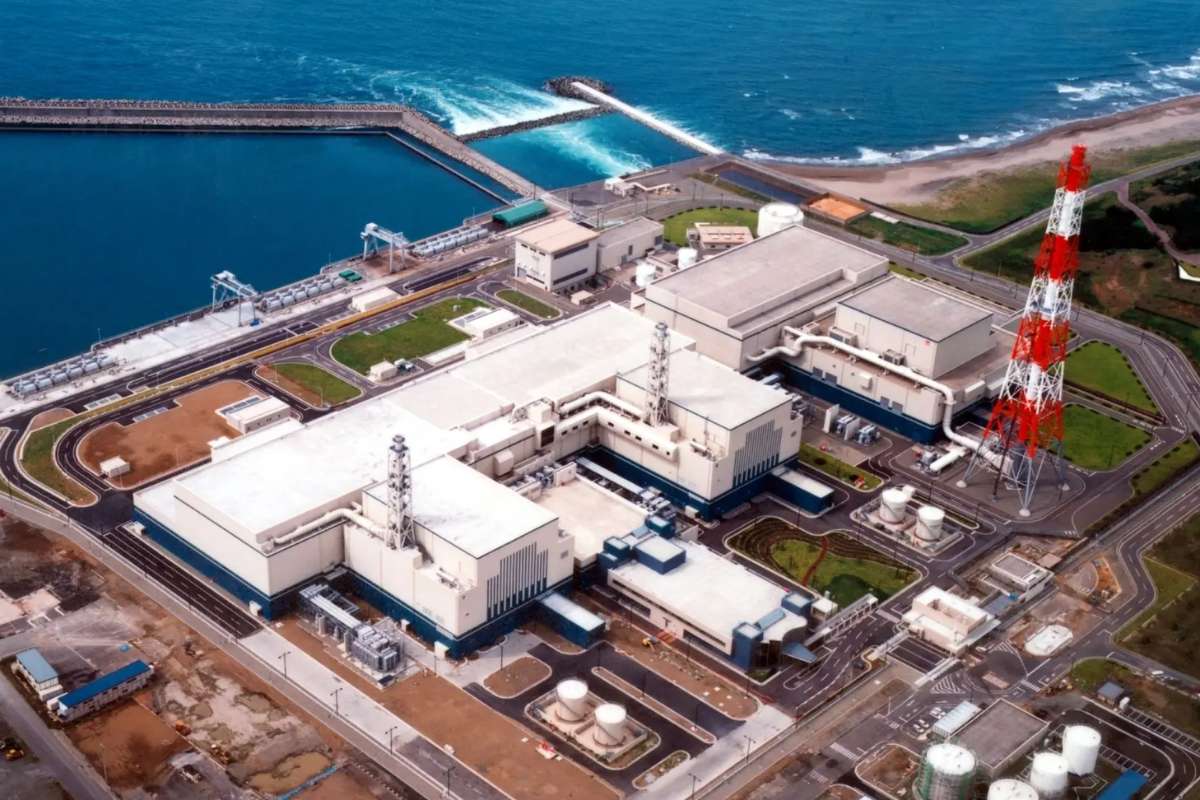
Japanese authorities approved the restart of one reactor at the Kashiwazaki Kariwa plant, the world’s largest nuclear facility by capacity, nearly fifteen years after the Fukushima Daiichi meltdowns halted most nuclear operations nationwide.
Tokyo Electric Power Company, or TEPCO, said the reactor was brought online at 7:02 p.m. local time. It is the first of the plant’s seven reactors to resume operations and the first TEPCO-run unit to restart since the 2011 disaster.
“The company will proceed with careful verification of each facility’s integrity and address any issues appropriately and transparently,” TEPCO said in a statement.
The Niigata prefectural governor approved the restart last month following safety reviews under Japan’s post-Fukushima regulatory framework. Nuclear Regulation Authority inspections cleared the unit after extensive upgrades.
Local Opposition Persists Despite Safety Upgrades
The restart has reignited opposition among residents living near the Sea of Japan coast, where the sprawling plant is located. A few dozen protesters gathered this week in freezing conditions outside the facility, carrying banners and voicing safety concerns.
“It’s Tokyo’s electricity that is produced here, so why should the people here be put at risk?” said Yumiko Abe, a seventy-three-year-old resident, in comments reported by AFP.
A September survey found about sixty percent of local residents oppose the restart, while thirty-seven percent support it. Critics cite TEPCO’s past safety lapses, emergency evacuation challenges, and the plant’s location near an active seismic zone.
“I think it’s impossible to evacuate in an emergency,” said Chie Takakuwa, a seventy-nine-year-old resident of nearby Kariwa.
Earlier this month, seven civic groups submitted a petition signed by nearly forty thousand people to TEPCO and the nuclear regulator. The petition warned of earthquake risks, noting the plant was damaged during a strong quake in 2007.
Energy Security Drives Japan’s Nuclear Revival
Japan shut down all nuclear reactors after a massive earthquake and tsunami in 2011 triggered meltdowns at Fukushima Daiichi, killing about eighteen thousand people and displacing thousands more. Before the disaster, nuclear power supplied roughly one-third of the country’s electricity.
Resource-poor Japan now views nuclear energy as essential to cutting fossil fuel imports, meeting rising power demand and achieving carbon neutrality by 2050. Prime Minister Sanae Takaichi has publicly backed nuclear restarts as part of the country’s energy mix.
Fourteen reactors, mostly in western and southern Japan, have been restarted under stricter safety rules, with thirteen operating as of mid-January.
Kashiwazaki Kariwa has undergone major upgrades, including a fifteen-meter-high tsunami wall and elevated emergency power systems. Still, confidence remains fragile following recent industry scandals, including data falsification by utilities to understate seismic risks.
“Safety is an ongoing process,” TEPCO President Tomoaki Kobayakawa told the Asahi newspaper. “Operators must never be arrogant or overconfident.”
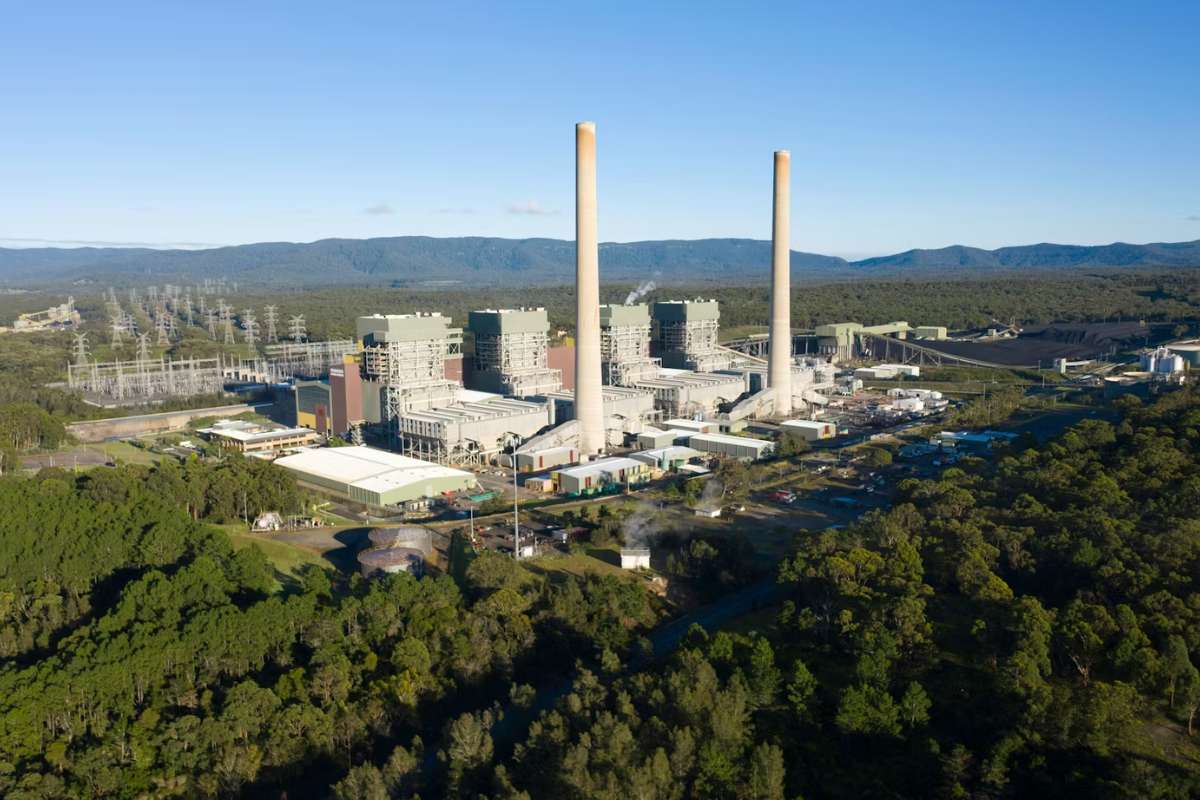
Japan remains the world’s fifth-largest carbon dioxide emitter and relies heavily on coal, gas, and oil. Nearly seventy percent of its electricity in 2023 came from fossil fuels. Under a government plan approved in February, nuclear power is expected to supply about twenty percent of electricity by 2040.
Meanwhile, the decommissioning of Fukushima Daiichi continues, a complex project expected to take decades.