As the year-end holiday travel season reaches its peak, American motorists are seeing welcome relief at the gas pump. Average gasoline prices across the United States have remained below the $3-per-gallon mark for most of December, a level not commonly seen during the holiday period in recent years. In the days leading up to Christmas, the national average hovered around $2.85 to $2.86 per gallon, offering a noticeable decline from both last month and the same time a year ago.
The downward trend represents a year-over-year drop of nearly 20 cents per gallon, easing transportation costs for millions planning road trips. While prices vary significantly by region, the overall national picture reflects stability. States such as Hawaii, California, and Washington continue to report the highest averages, while parts of the Midwest and South are seeing some of the lowest fuel prices in the country.
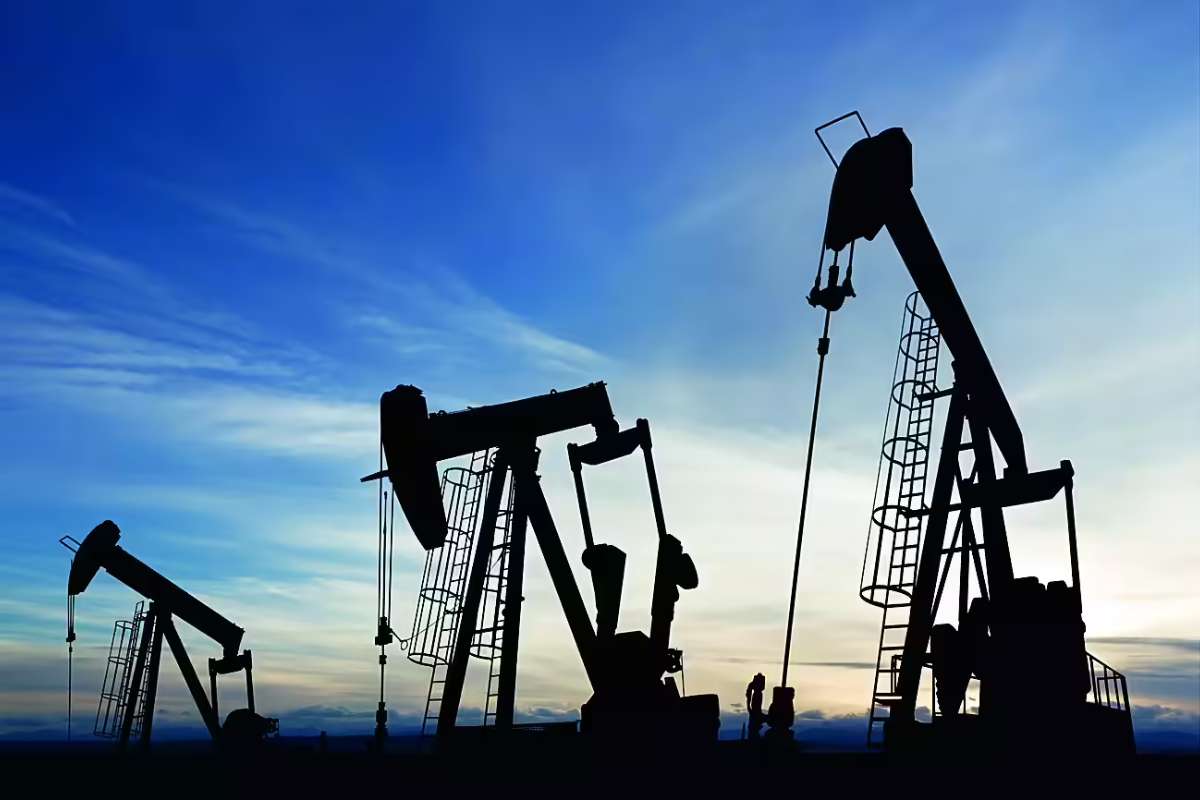
Energy analysts attribute the lower prices largely to subdued crude oil costs and steady fuel supply levels. Oil benchmarks have remained relatively soft throughout December, helping prevent the typical seasonal spike associated with increased travel demand. This balance between supply and demand has allowed fuel prices to remain favorable even as holiday traffic increases.
Record Holiday Road Travel Expected
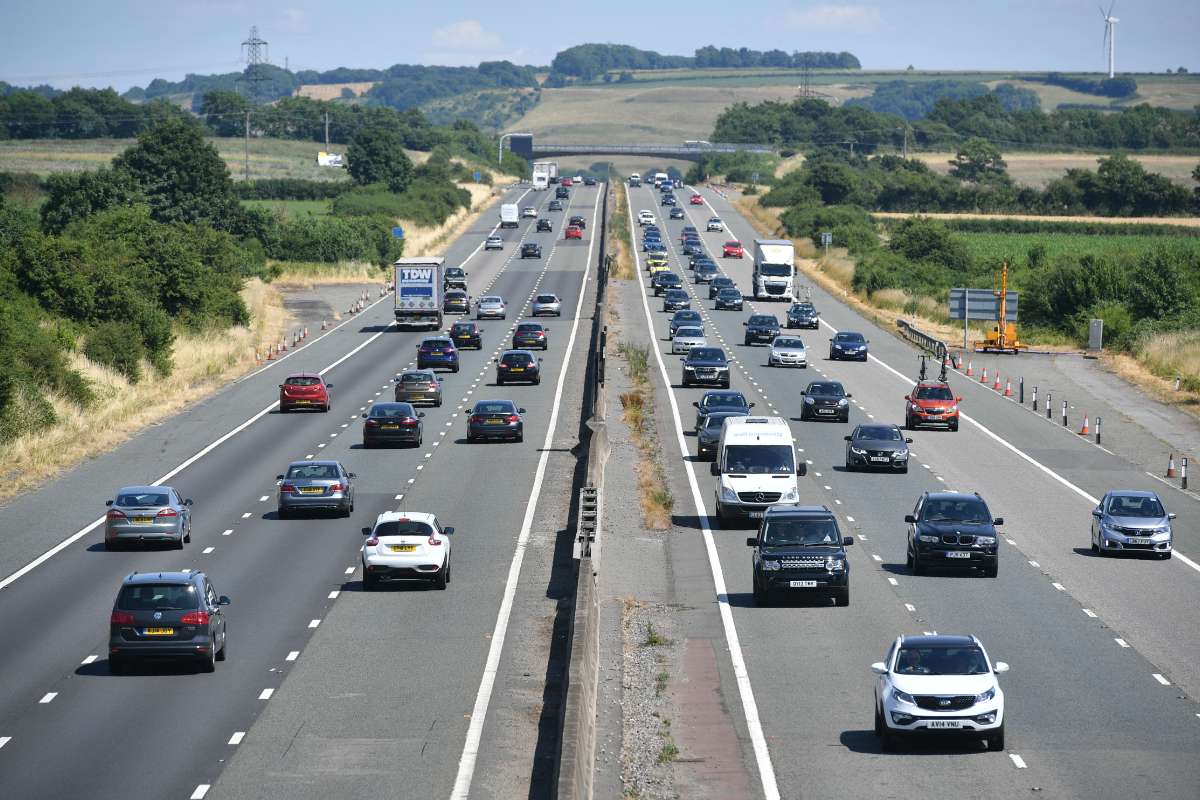
Lower gasoline prices are coinciding with projections of record-breaking holiday travel. Millions of Americans are expected to journey at least 50 miles from home between late December and the start of the new year, with driving overwhelmingly remaining the most popular mode of transportation. Road travel is forecast to account for the vast majority of these trips, far outpacing air and rail travel.
The combination of affordable fuel and flexible road travel options is encouraging families to take longer trips, visit relatives, and plan seasonal getaways. Many travelers are opting for warmer destinations or leisure trips that were postponed earlier in the year, adding to highway congestion during peak days.
Despite the financial relief at the pump, transportation experts caution that holiday travel still carries risks. Increased traffic volumes, winter weather conditions, and fatigue during long-distance driving remain major safety concerns. Authorities continue to advise travelers to plan routes carefully, allow extra time for delays, and ensure vehicles are winter-ready before hitting the road.
Economic Signals Behind the Price Stability
While gasoline prices have fallen, broader economic pressures remain in place for many households. Inflation has eased compared with previous peaks but continues to affect consumer spending in areas such as food, housing, and holiday shopping. In this context, lower fuel costs are providing modest but meaningful relief to travel budgets during one of the most expensive times of the year.
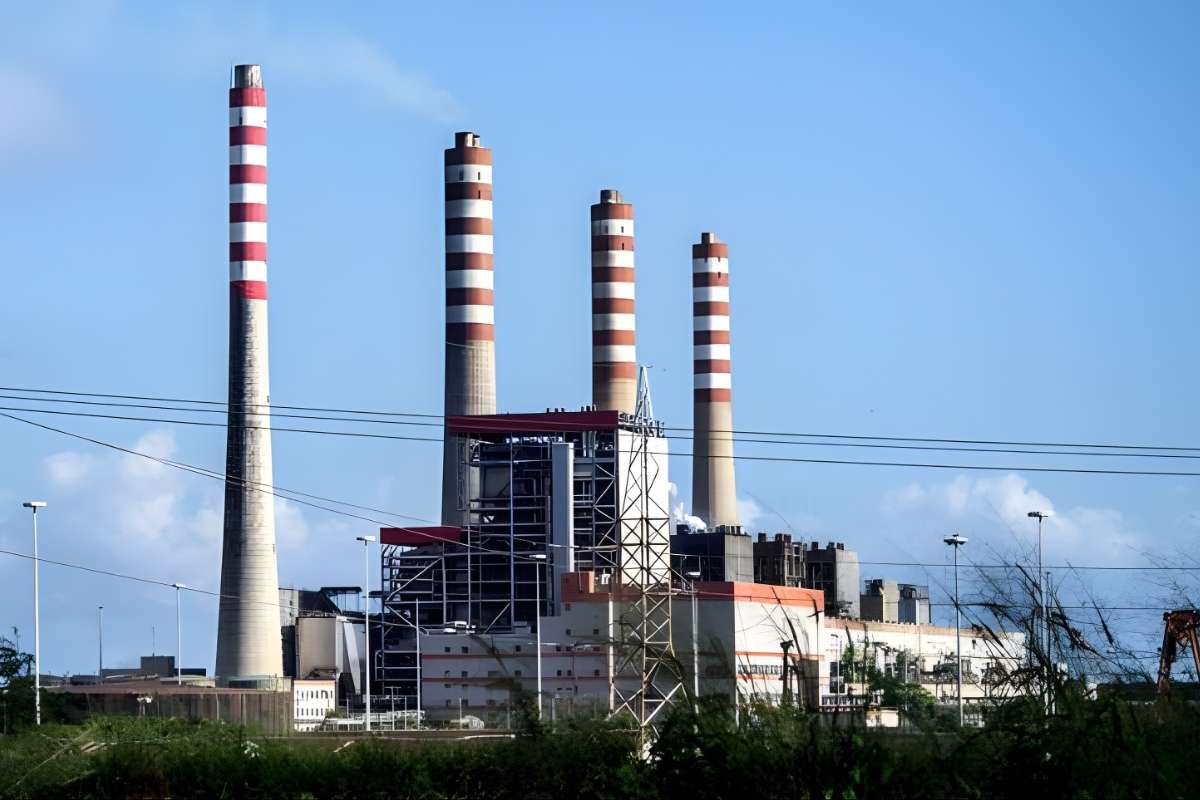
Market observers note that stable fuel prices are being supported by consistent oil production, steady refinery operations, and restrained global demand growth. These factors have helped prevent sudden price swings even as seasonal consumption rises.
Looking ahead, energy analysts suggest that gasoline prices could remain relatively stable into early January, barring unexpected disruptions in oil supply or severe weather events. For now, motorists heading out for holiday journeys are benefiting from a rare alignment of high travel demand and comparatively low fuel costs, offering a smoother and more affordable end to the year on America’s roads.
Visit Oil Gas Energy Magazine for the latest information.