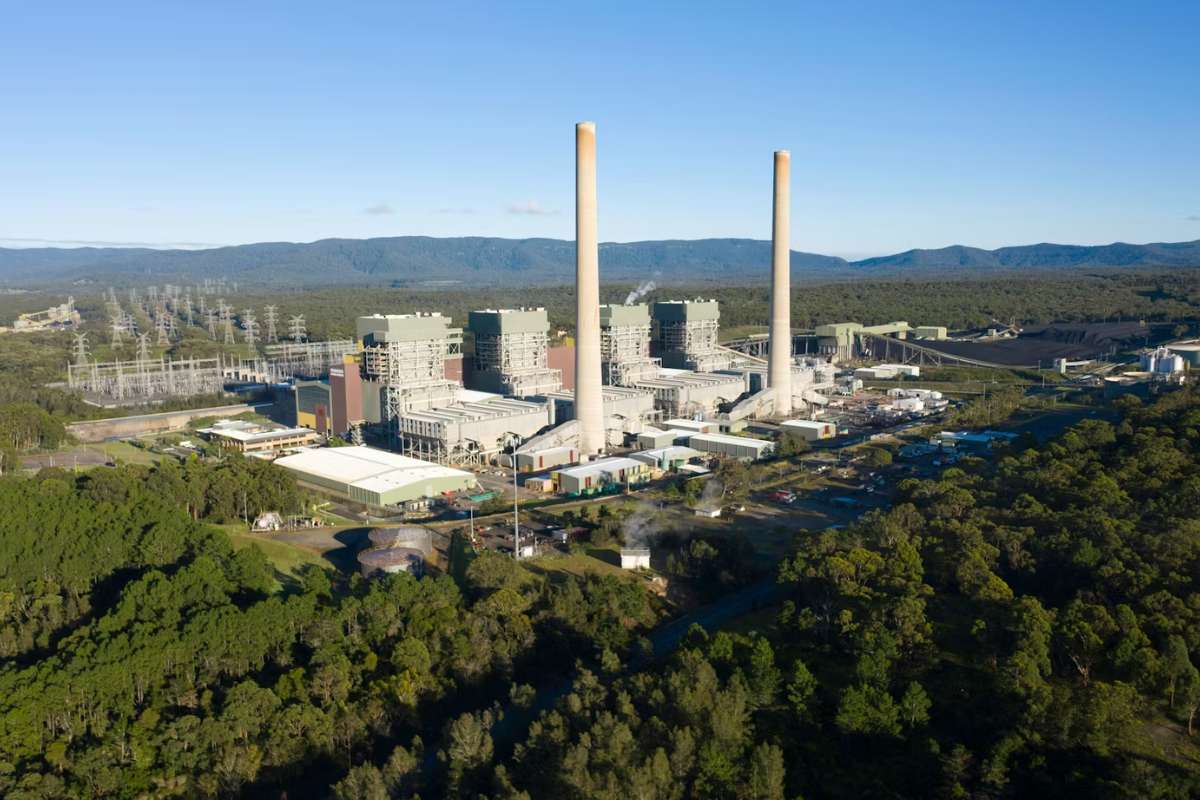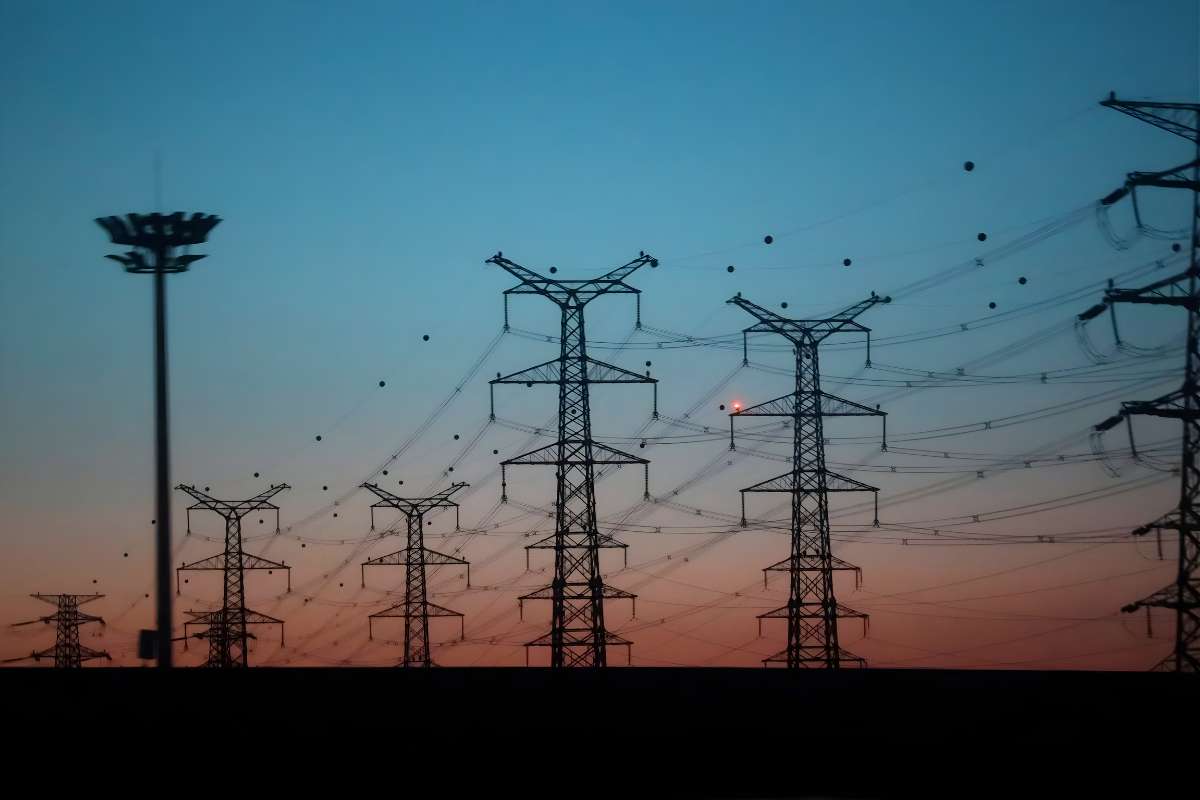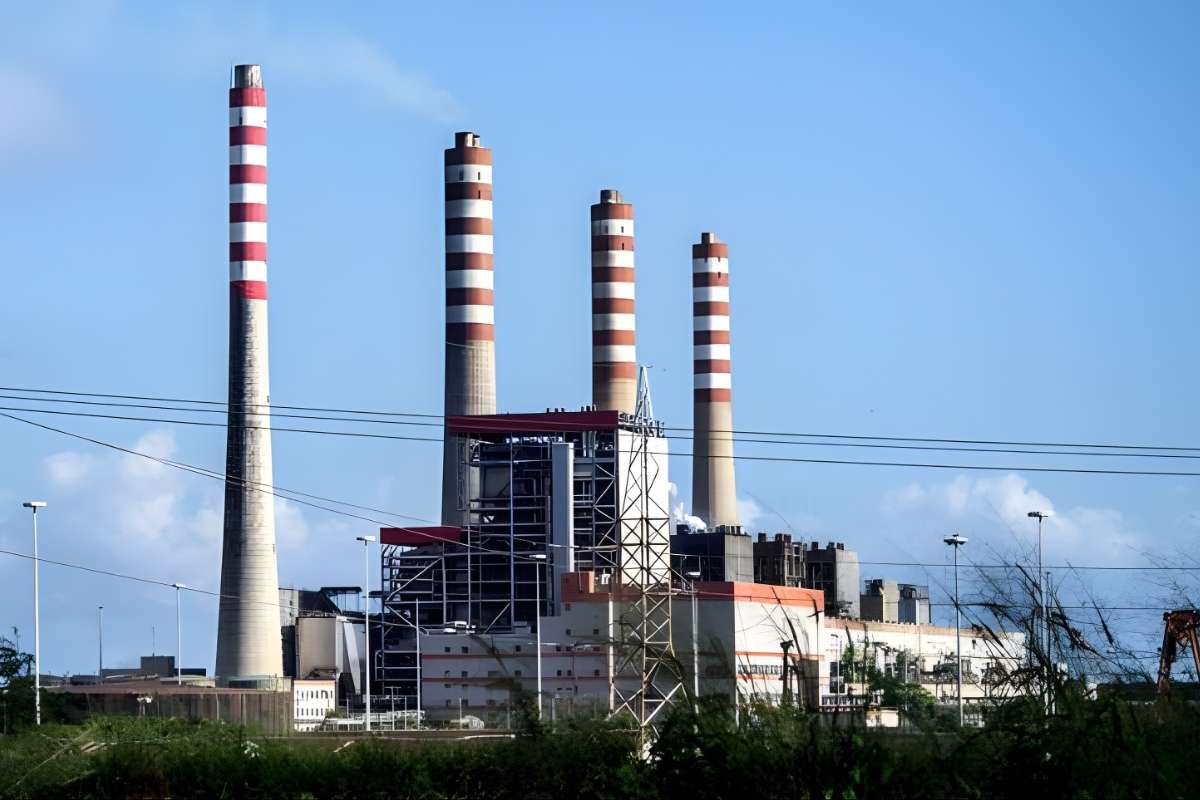

Cuba’s electrical grid collapsed on Wednesday, plunging the entire island of over 11 million residents into darkness. The Ministry of Energy and Mines confirmed what it called a “total disconnection” of the National Electric System, known as SEN, and said restoration efforts had begun. Officials suggested the outage may be linked to an unexpected failure at the Antonio Guiteras thermoelectric plant, one of Cuba’s largest power facilities.
The blackout paralyzed daily life across Havana and other major cities, leaving traffic lights inoperative, businesses shuttered, and households scrambling to protect perishable food. Authorities have not given a timeline for full restoration, fueling widespread anxiety among residents already grappling with food shortages, inflation, and a fragile public health system.
Residents Confront Daily Hardship and New Uncertainty
In Havana, the sudden darkness added to mounting frustration. “This country can’t take much more. We just have one misfortune after another,” said a small-business owner, declining to provide his name for fear of reprisal. Like many Cubans, he worried about losing refrigerated goods and the challenges of coping without water pumps that rely on electricity.
Concerns also spread about public safety, particularly in urban areas where streetlights and traffic signals remained off. Families attempted to conserve limited supplies of bottled water while markets faced pressure from customers seeking nonperishable food.
Power outages have long plagued Cuba electrical grid, but the frequency and duration have escalated sharply over the past several years. Some parts of the island now endure daily blackouts lasting up to 20 hours, with households relying on candles, makeshift generators, or solar panels when available. The widespread disruption from Wednesday’s Cuba electrical grid collapse has renewed debate over the sustainability of Cuba’s energy infrastructure.
Chronic Problems and Strained Infrastructure
Experts have warned repeatedly that Cuba’s aging electrical system is vulnerable to breakdowns. Much of the grid depends on outdated thermoelectric plants that require constant maintenance and rely on imported fuel. Shortages of spare parts and insufficient investment have deepened the crisis.
The government has often cited the decades-old U.S. embargo as a major obstacle, arguing that it limits access to essential equipment and financing. At the same time, demand for electricity has grown, putting further stress on the fragile system.
Recent history underscores the recurring nature of these crises. In 2022, Hurricane Ian knocked out power across Cuba, and in October 2024 another grid collapse took several days to resolve. Each event has underscored the difficulties of balancing supply, maintenance, and rising demand in a country with limited resources.
The collapse of the Guiteras plant in particular is seen as a critical blow, as it supplies a significant portion of Cuba’s energy needs. Repairs are often delayed by shortages of specialized parts and skilled labor, while backup capacity remains insufficient to meet peak demand.
Outlook Remains Uncertain
As of late Wednesday, energy officials said they were working to gradually restore the grid, though details remained scarce. For ordinary Cubans, the uncertainty has only deepened a sense of crisis that touches nearly every aspect of daily life.
“This is not just about lights going out,” said a Havana resident waiting in line at a local store. “It’s about food, water, transport, everything. Without electricity, nothing works.”
With no clear timeline for recovery, the latest blackout highlights both the fragility of Cuba electrical grid and the broader economic pressures weighing heavily on its people. Unless the government can secure long-term solutions, experts warn that such outages will likely continue, further compounding the country’s already difficult reality.
Visit Oil Gas Energy Magazine for the most recent information.