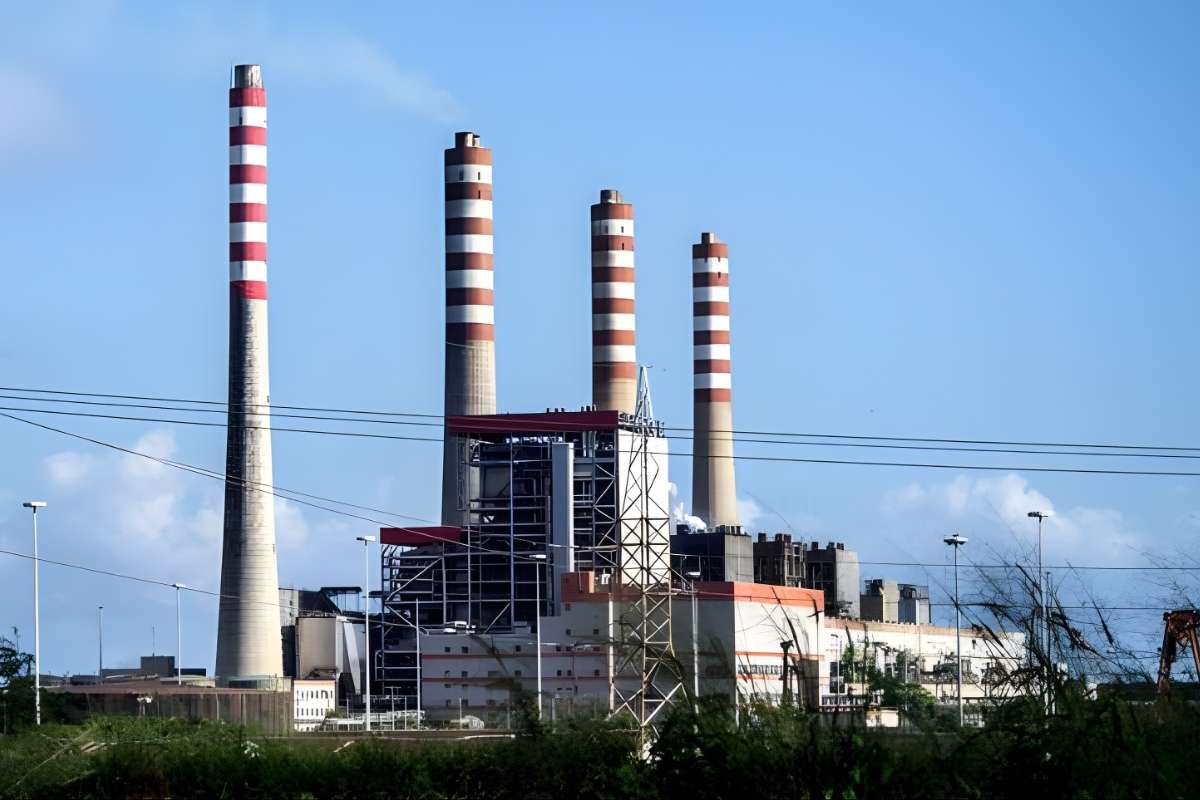

China has achieved some of the fastest environmental improvements in the world, even as it remains the largest industrial hub. Over the past decade, levels of PM2.5, tiny airborne particles harmful to human health, dropped by 35.6 percent nationwide between 2015 and 2022. Water quality also saw dramatic gains, with over 90 percent of national control sections now classified as “excellent,” “good,” or “fair.”
These improvements occurred alongside rapid economic growth. Between 2013 and 2022, China’s GDP expanded by about 70 percent. Beijing’s annual PM2.5 levels fell from 89.5 micrograms per cubic meter in 2013 to 30 in 2022, while heavily polluted days declined from 58 to just three. Experts say such simultaneous growth and pollution reduction is unprecedented.
Green Industries Drive Economic Growth
Unlike developed nations that reduced pollution by shifting heavy industries abroad, China’s GDP has pursued industrialization-driven decarbonization. Its strategy relies on cutting-edge technologies, strict monitoring, and investments in renewable energy and green manufacturing.
Sectors such as electric vehicles (EVs), solar panels, and lithium-ion batteries, dubbed the “new three”, are now central to both China’s economy and its environmental agenda. China accounts for more than half of global EV sales, with over 11 million units sold annually. Renewable power capacity also surged, with the country contributing nearly two-thirds of global additions in 2024.
Officials say the country is on track to exceed its 2025 target of 20 percent non-fossil fuel energy consumption ahead of schedule. Current estimates place the share at 19.8 percent, with projections to reach 25 percent by 2030.
Remaining Challenges for Sustainability
Despite the successes, experts warn that challenges are far from resolved. Green industries themselves are energy- and resource-intensive. A joint study in July revealed that over 40 photovoltaic companies emitted more than 100 million tonnes of carbon dioxide in 2024. EV manufacturing also consumes large quantities of steel, glass, and lithium, leading to significant emissions during production.
Air quality remains a pressing issue. While smog has declined, ozone levels are rising, and China’s PM2.5 concentration in 2024 was still 6.2 times higher than World Health Organization guidelines. Water ecosystems, though cleaner, have not fully recovered, and issues such as biodiversity loss, microplastics, and illegal pollution persist in major rivers and lakes.
China has pledged to peak carbon emissions by 2030 and reach carbon neutrality by 2060. Achieving these goals requires deeper restructuring of its energy, transport, and industrial systems.
China’s GDP experience illustrates how industrial growth and pollution control can progress together, powered by green technology and strong regulation. Yet as its green industries expand, the challenge lies in ensuring that their own environmental footprint does not undermine progress.
Visit Oil Gas Energy Magazine for the most recent information.