China’s coal-heavy thermal power generation fell in 2025 for the first time in a decade, government data showed Monday, as rapid growth in renewable energy met rising electricity demand, reducing reliance on China fossil fuel power.
Renewables Offset Rising Demand as Coal Power Slips
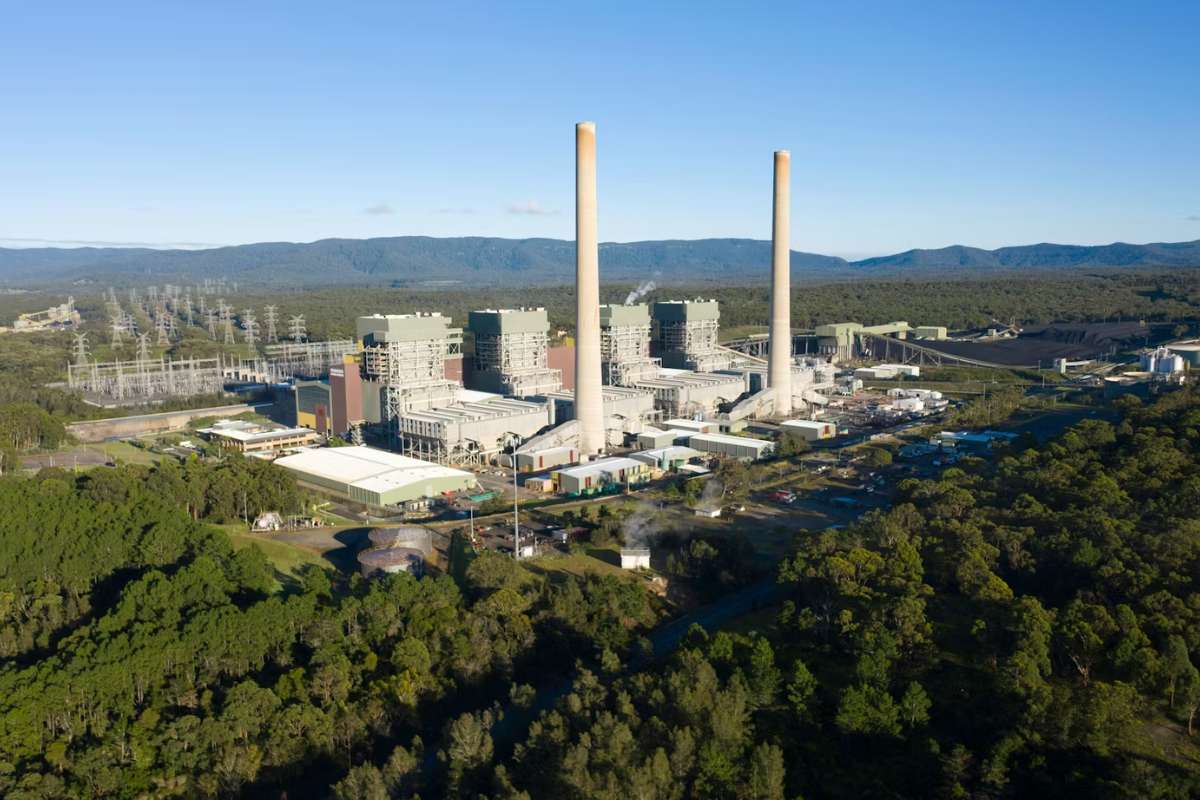
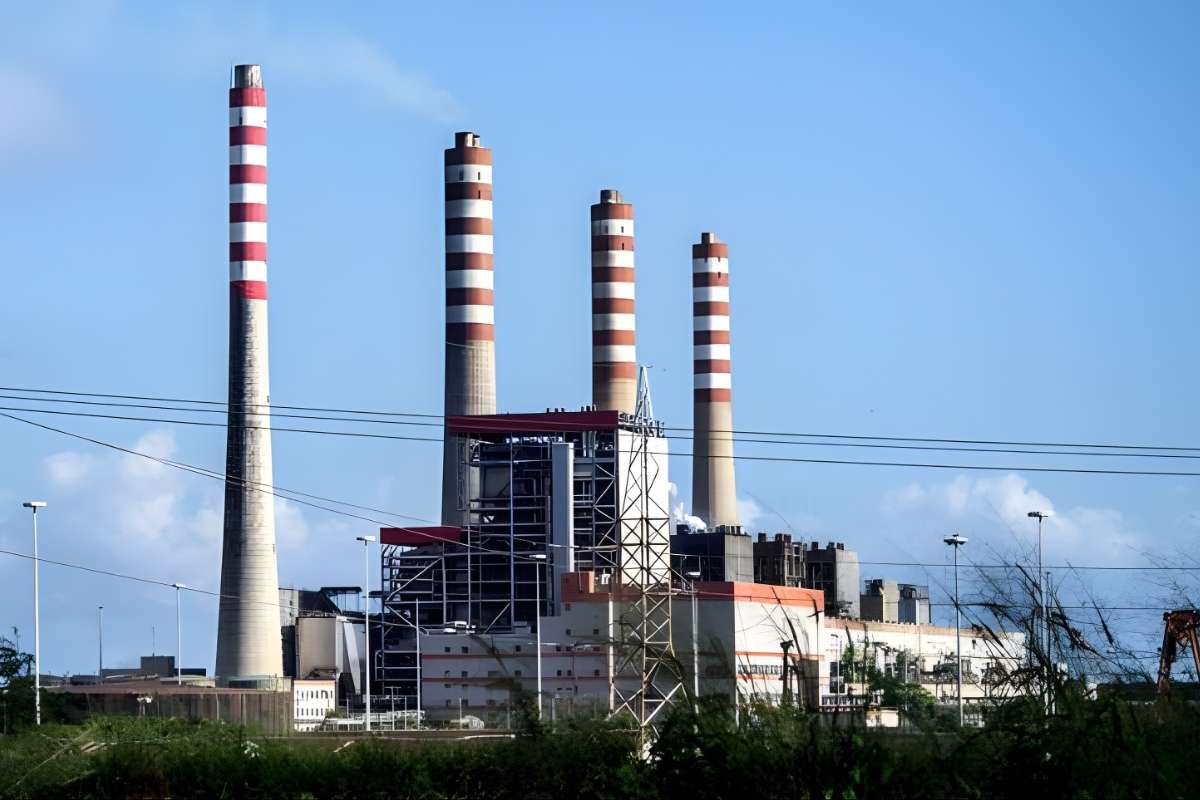
China fossil fuel-based power generation declined one percent in 2025, marking its first annual drop in ten years, according to data released by the National Bureau of Statistics. Thermal power output totaled 6.29 trillion kilowatt-hours.
The decline came despite strong growth in electricity consumption, underscoring the scale at which renewable energy is being added to the power system. China is the world’s largest consumer of electricity and remains heavily reliant on coal, which still dominates thermal generation.
The drop was more pronounced at the end of the year. Thermal power output fell 3.2 percent in December compared with the same month a year earlier, the data showed.
The NBS figures cover industrial enterprises with annual revenue above 20 million yuan, or about $2.87 million, and exclude some smaller-scale renewable generation, particularly distributed solar power.
The data offers a positive signal for China’s efforts to decarbonize its power sector as the country works toward a goal of peaking carbon emissions by 2030.
Power Use Hits Record as Clean Energy Expands
Overall, electricity consumption continued to climb. The National Energy Administration said Saturday that power consumption rose five percent in 2025, surpassing ten trillion kilowatt-hours for the first time.
That level exceeded the combined electricity consumption of the European Union, Russia, India, and Japan in 2024, the agency said. Demand was driven by rapid growth in internet-related services and electric vehicle manufacturing.
While power use surged, renewable and low-carbon sources accounted for much of the growth in generation. The NBS reported that total power generation reached 9.72 trillion kilowatt-hours in 2025, up 2.2 percent from the previous year.
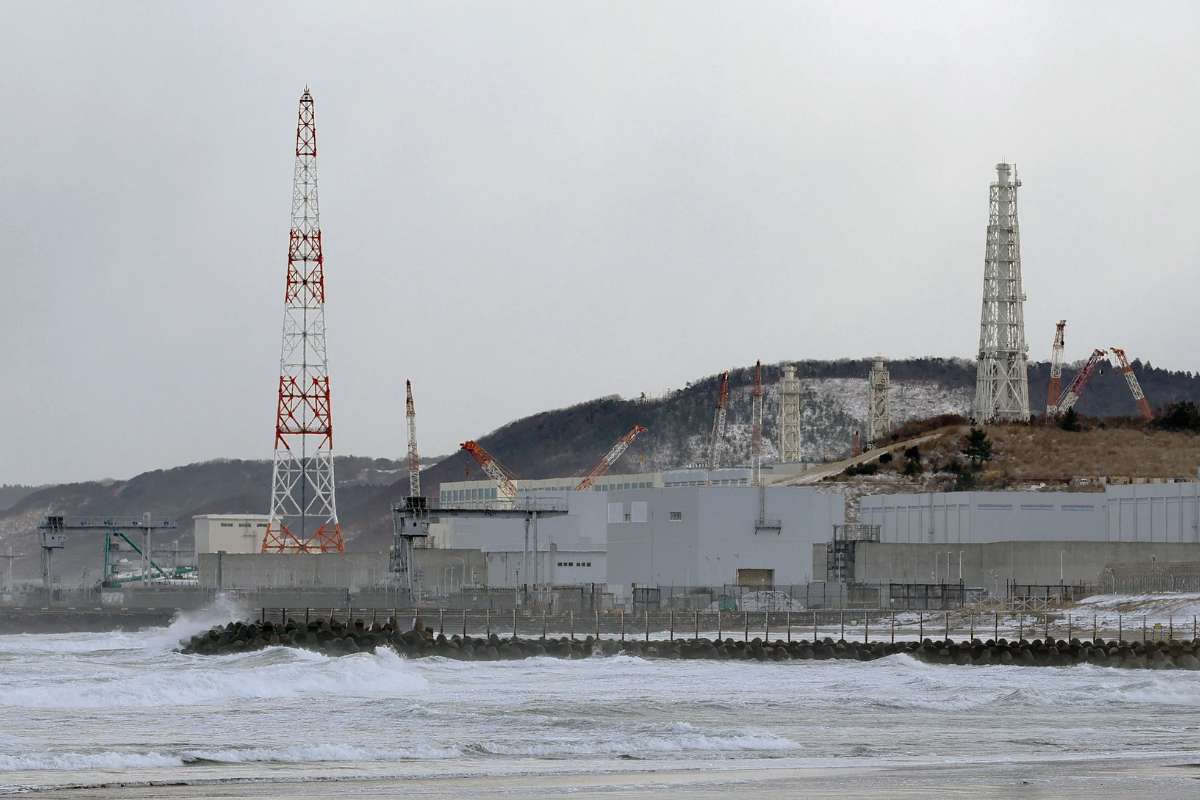
Hydropower output rose 2.8 percent for the full year and increased 4.1 percent in December. Nuclear power generation climbed 7.7 percent in 2025 and was up 3.1 percent in December, according to the data.
The NEA statistics provide a broader picture of electricity use than the NBS figures, which omit some renewable output. Together, the data suggest that clean energy additions are increasingly able to keep pace with demand growth.
Coal Still Dominates as Analysts See Lasting Shift
Despite the decline in thermal power generation, coal production edged up to a record high in 2025, highlighting the continued importance of fossil fuels in China’s energy mix.
Analysts say the drop in fossil-fuelled power reflects structural changes rather than a short-term fluctuation. Rapid investment in wind, solar, hydropower, and nuclear energy has reshaped the supply side of China’s power system.
“This trend toward a structural shift in power generation is difficult to reverse,” said Feng Dongbin, vice general manager at Fenwei Digital Information Technology, which operates the Chinese coal analytics platform Sxcoal.
Thermal power generation is unlikely to accelerate in 2026 if renewable capacity continues to expand at its current pace, analysts said. However, coal-fired plants are still expected to play a critical role in ensuring grid stability during periods of peak demand.
China remains the world’s largest emitter of greenhouse gases, and its energy choices are closely watched globally. The latest data suggests progress toward reducing reliance on China fossil fuel in power generation, even as total energy demand continues to rise.