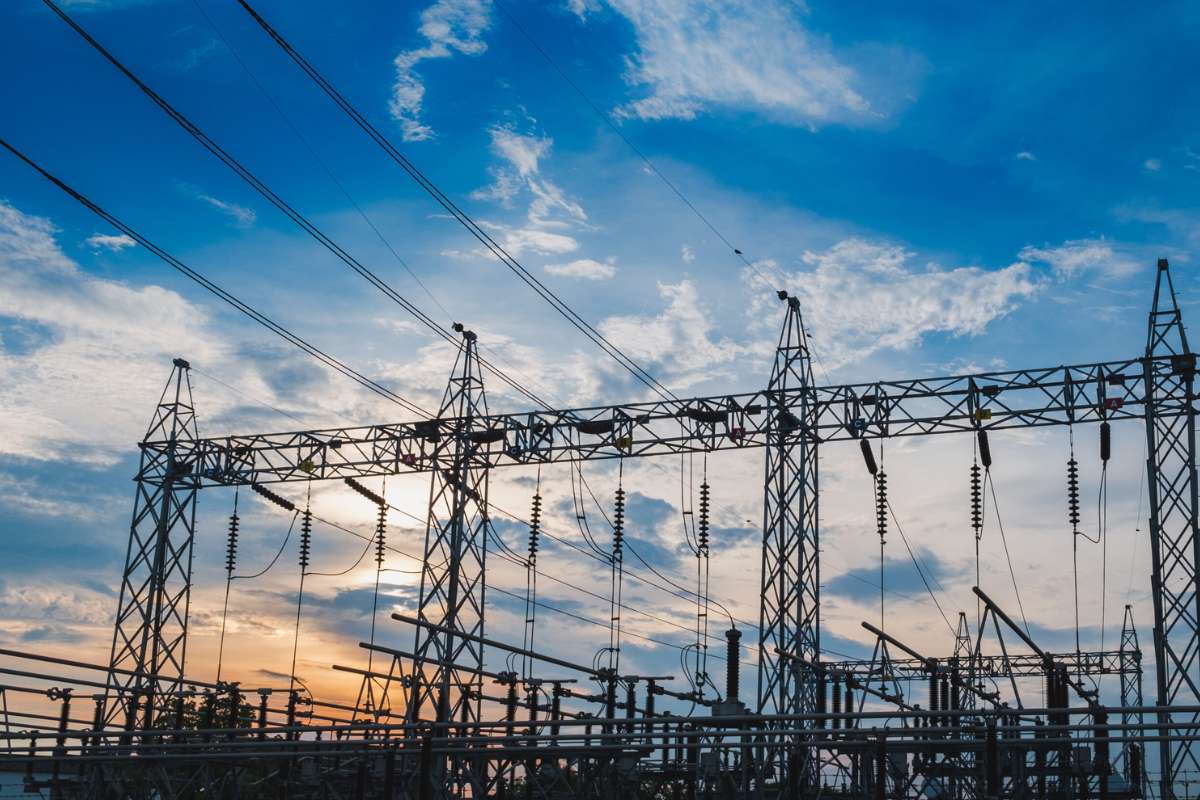
Britain’s decades-old power grid is failing to keep pace with booming wind and solar generation and surging electricity demand from artificial intelligence data centers, forcing costly curbs on clean power and raising the prospect of higher household bills.
Aging Grid Struggles to Move Renewable Power
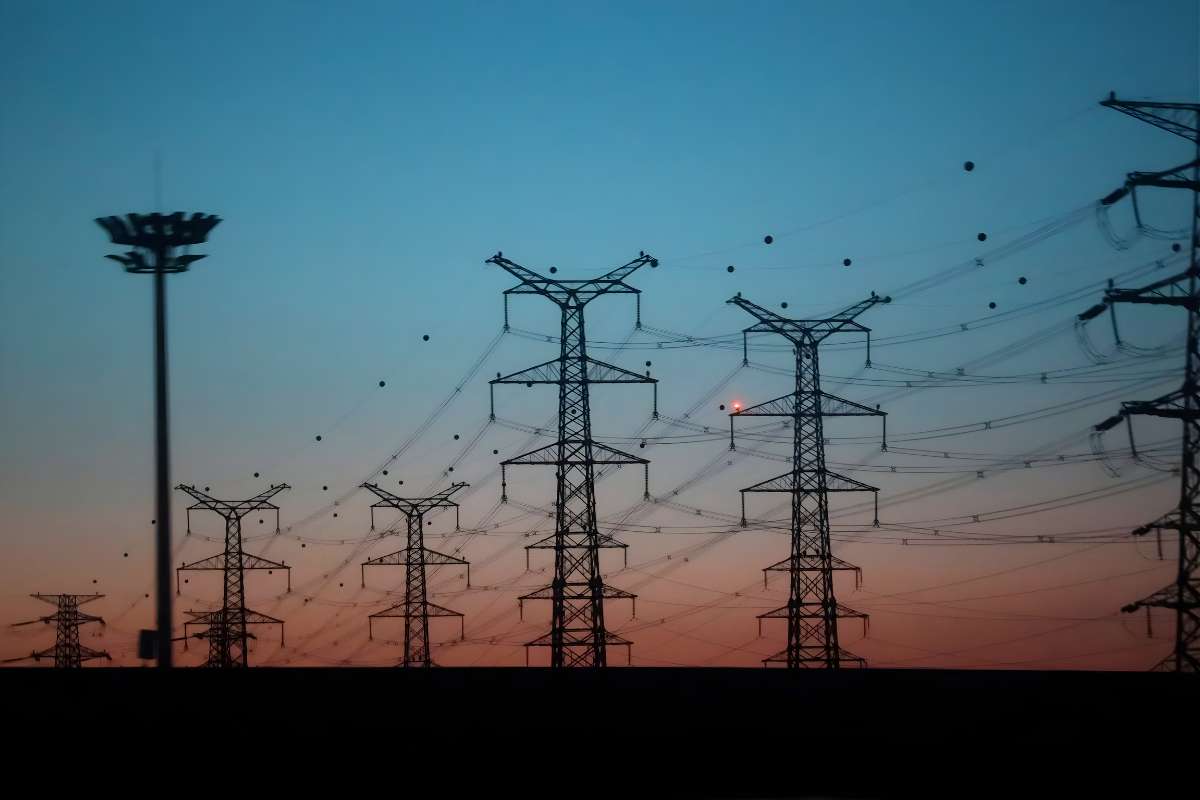
Britain’s Power Grid has rapidly expanded wind and solar power to cut emissions and support fast-growing digital industries, but its transmission network has not kept up. Most of the national grid was built in the 1960s and has not seen a major overhaul since.
The sources reported this month that Britain has one of the highest shares of renewable energy among major economies, yet lacks sufficient transmission lines to move that power to where it is needed. Wind now provides about one-third of the country’s electricity, making it a central pillar of the system.
Much of that wind power is generated in northern Scotland and along coastal areas, far from population centers in southern England. When output is high, the grid cannot safely carry the electricity south without risking overloads, forcing operators to limit production.
As a result, new wind farms and battery storage projects often wait five to 10 years to be connected to the grid. Developers say those delays threaten investment and slow Britain’s energy transition.
AI Data Centers Add Pressure to Power Demand
The strain on the grid is intensifying as Britain’s Power Grid sees a surge in AI data centers, which require vast and constant supplies of electricity. Demand from these facilities is rising quickly and compounding pressure on infrastructure already stretched by renewable growth.
“Even if you build a state-of-the-art wind farm in northern Scotland, if there is no grid connecting to it, no technology can solve the problem,” said Steve Smith, chief strategy and regulation officer at National Grid. “In the end, you have to build new transmission lines.”
To prevent overloads, the government has paid generators to switch off turbines during periods of excess supply. Over the year through March, those compensation payments totaled about $2.3 billion, according to the Wall Street Journal. Analysts expect the cost to climb as more renewable projects come online.
Critics say paying clean energy producers not to generate power highlights a structural failure. Supporters of rapid grid expansion argue that without new transmission capacity, Britain risks undermining its climate goals and energy security.
Costly Upgrades Raise Household Bill Concerns
National Grid says it plans to invest about $40 billion over the next five years under its Great Grid Upgrade program, aimed at modernizing infrastructure and adding new transmission lines. The work is intended to unlock renewable capacity and meet future demand.
Those investments are likely to push electricity prices higher. The average annual household electricity bill in Britain is about $1,500, more than double the level in 2008. That is high compared with the United States, where average bills are about $1,700 despite electricity use being roughly three times higher.
Consumer groups warn that passing grid upgrade costs on to customers could deepen the cost-of-living strain. Government officials say upgrades are unavoidable if Britain is to secure reliable, low-carbon power for decades ahead.
Building new transmission lines is also slow and contentious. Projects can take up to 10 years, much of it spent on planning reviews, regulatory approvals, and community consultations. Local residents and environmental groups often oppose new pylons, citing landscape and wildlife concerns.
The sources noted that such opposition has become one of the biggest obstacles to grid expansion. Until those barriers are resolved, experts say Britain’s Power Grid bottleneck is likely to persist, even as renewable capacity and AI-driven demand continue to grow.
Visit Oil Gas Energy Magazine for the latest information.