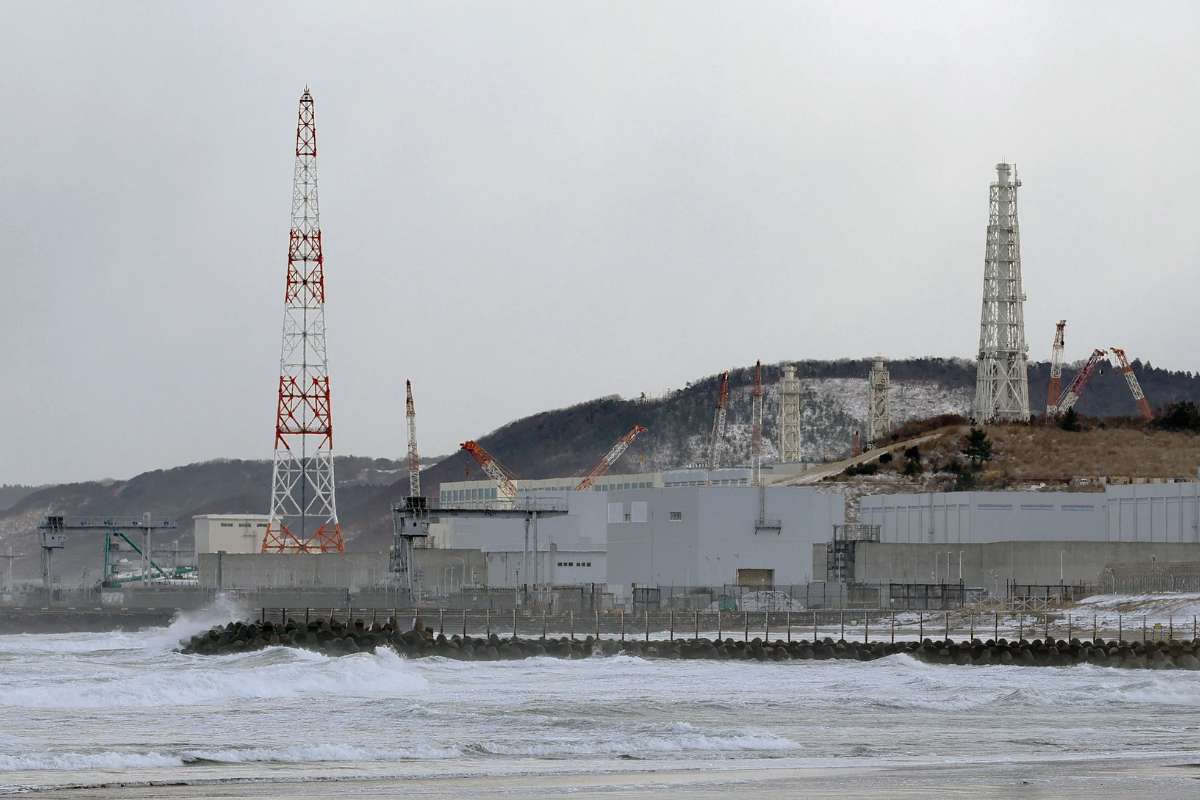
Japan’s Tokyo Electric Power Company shut down a nuclear reactor hours after restarting it Wednesday at the Kashiwazaki-Kariwa plant, citing a control rod malfunction but saying no safety risk emerged, officials said.
Control Rod Glitch Forces Swift Shutdown
A nuclear reactor operated by Tokyo Electric Power Company Holdings Inc. is shutting down again just hours after its first restart since the 2011 Fukushima disaster, underscoring lingering technical and trust challenges for Japan’s nuclear sector.
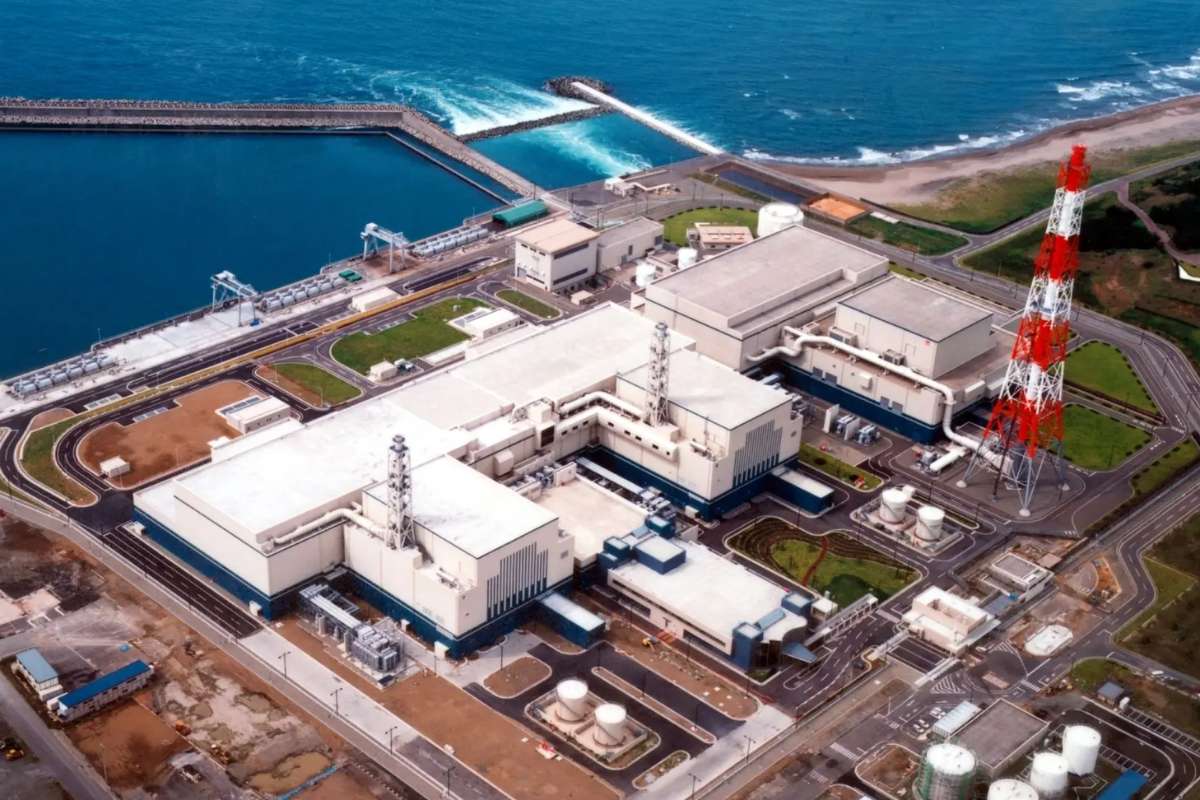
The No. 6 reactor at the Kashiwazaki-Kariwa nuclear power station in Niigata prefecture restarted on Wednesday night after a fourteen-year suspension. The move marked TEPCO’s first attempt to resume nuclear power generation since the Fukushima Daiichi plant was crippled by a massive earthquake and tsunami.
The restart process was halted early Thursday after an alarm sounded during the removal of neutron-absorbing control rods, which regulate nuclear fission. Tokyo Electric Power Company said the malfunction occurred after fifty-two of the reactor’s two hundred five control rods had been withdrawn.
“There was no safety issue,” the company said in a statement, emphasizing that radiation levels remained normal and no abnormalities were detected outside the reactor.
Operator Cites Caution, No Immediate Restart
Plant chief Takeyuki Inagaki said the decision to shut down the reactor was made to prioritize safety while engineers investigate the cause of the malfunction.
“The equipment is essential to safe operation, and we will examine it inside out,” Inagaki told reporters at a news conference. “The reactor will not be restarted until the cause is found and measures are taken.”
Inagaki said workers planned to reinsert the control rods later Thursday to bring the reactor to a stable shutdown. He cautioned that the issue would not be resolved quickly.
“I don’t think this is going to be resolved in a couple of days,” he said.
Control rods are a critical safety component, used both to start and stop nuclear reactions. Any malfunction during their operation typically triggers automatic alerts and requires operators to halt procedures until the system is fully verified.
High Stakes for Japan’s Nuclear Restart Plans
The restart at Kashiwazaki-Kariwa has drawn intense scrutiny because TEPCO also operates the Fukushima Daiichi plant, where triple meltdowns in 2011 caused widespread radioactive contamination and displaced tens of thousands of residents.
All seven reactors at Kashiwazaki-Kariwa were shut down in the aftermath of Fukushima, and the facility has remained idle since 2012. The plant, located about 135 miles northwest of Tokyo, has a combined output capacity of eight million kilowatts, making it the largest nuclear power station in the world.
Japan, which lacks significant domestic energy resources, is increasingly turning back to nuclear power to meet rising electricity demand and reduce reliance on imported fossil fuels. Fourteen reactors across the country have restarted since 2011 under stricter safety regulations, but Kashiwazaki-Kariwa is the first TEPCO-run facility to resume operations.
A successful restart of the No. 6 reactor alone could generate about 1.35 million kilowatts of electricity, enough to supply more than one million households in the Tokyo metropolitan area.
Tokyo Electric Power Company is also grappling with the long-term cleanup of Fukushima Daiichi, a project estimated to cost about 22 trillion yen, or $139 billion. Government and independent investigations previously blamed the disaster on the company’s weak safety culture and close ties with regulators.
The utility hopes to restart only two of Kashiwazaki-Kariwa’s seven reactors in the coming years, but Thursday’s setback highlights the technical and public confidence hurdles that remain.