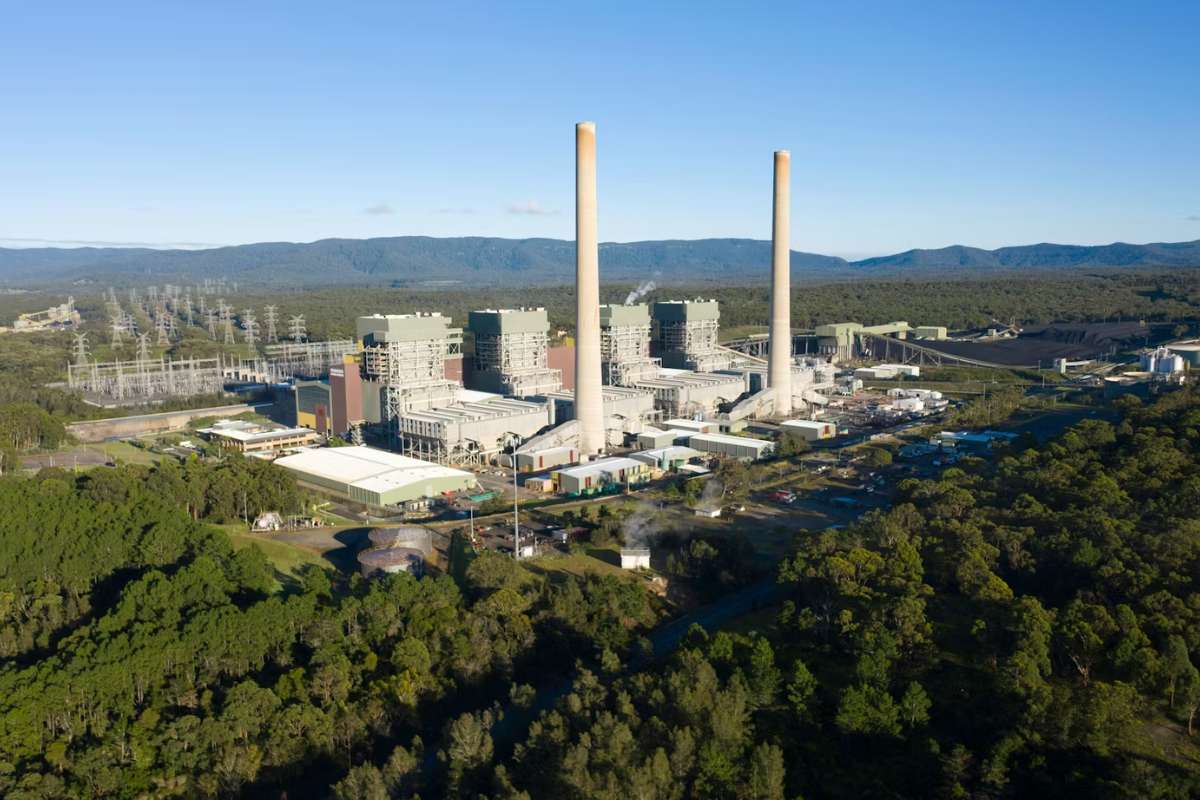
Origin Energy will keep Australia’s largest coal-fired power station operating until 2029, extending its life by two years after regulators warned insufficient replacement capacity threatens electricity reliability in New South Wales.
Extension Driven by Reliability Concerns
Australian utility Origin Energy said Tuesday it will continue running the 2,880-megawatt Eraring coal-fired power station in New South Wales until April 2029, extending its operation beyond a previously planned 2027 closure.
The decision marks the second extension of Eraring’s lifespan. The plant had been expected to shut in 2025 before Origin pushed back the date in 2024, citing a lack of replacement capacity. Origin said the latest move follows findings by the Australian Energy Market Operator, or AEMO, that the plant is needed to maintain system security.
AEMO’s December 2025 Transition Plan for System Security concluded that new generation, storage, and transmission projects will not be delivered quickly enough to replace Eraring by 2027. The operator warned that closing the plant on schedule would increase the risk of supply shortfalls and price volatility.
“Keeping Eraring online until 2029 provides critical time for investment in renewables, storage and transmission,” Origin said in a statement. The company added that uncertainty around the reliability of Australia’s aging coal and gas fleet also influenced the decision.
Emissions Targets Remain in Focus
Origin said it does not plan to make further major maintenance investments at Eraring ahead of its revised closure date. The company reaffirmed its target to cut 20 million metric tons of carbon dioxide equivalent emissions by 2030, compared with 2018-19 levels.
Eraring remains one of the country’s largest single sources of emissions. The plant produced 13.5 million metric tons of carbon dioxide equivalent emissions in the year ended June 30, 2025, according to Origin’s latest disclosures.
Origin Energy also holds a 27.5 percent share of emissions from the Australia Pacific LNG joint venture in Queensland, which produces about nine million metric tons of LNG per year. Origin is the upstream operator of the project.
Energy analysts said the Eraring extension underscores the tension between maintaining power system reliability and meeting national climate targets. A 2025 federal government report said achieving Australia’s 2030 emissions reduction goal depends on the timely retirement of major coal-fired generators, including Eraring.
“Every delay makes the pathway to emissions cuts narrower,” said one analyst who tracks Australia’s power sector. “But policymakers are prioritizing reliability in the near term.”
Renewable Transition Faces Delays
Australia is attempting to shift its electricity market to a system dominated by renewable energy, with the federal government targeting 82 percent renewable generation by 2030. That goal is increasingly viewed as difficult to achieve.
Industry observers point to delays in building new transmission lines needed to connect large-scale wind and solar projects to the grid. Without those links, new renewable capacity cannot fully replace retiring coal plants.
The Snowy 2.0 pumped hydro project, designed to provide long-duration energy storage, has also faced repeated setbacks. The 2,200-megawatt project has been delayed several times due to tunneling problems, pushing back its expected completion date.
Other states face similar challenges. Victoria, Australia’s second most populous state after New South Wales, is widely expected to miss its target of generating 65 percent of electricity from renewables by 2030.
Queensland has taken a different approach. Its state government plans to keep coal-fired power stations running into the 2040s after abandoning a previous administration’s proposal for a large pumped hydro project.
In New South Wales, the state government’s offer to underwrite Eraring’s operations will end in 2027, as previously announced. Origin Energy said the plant will continue operating beyond that point without further subsidies.
The Eraring decision highlights the complexity of Australia’s energy transition, as utilities and governments balance climate commitments with the need to keep the lights on during a period of rapid change.