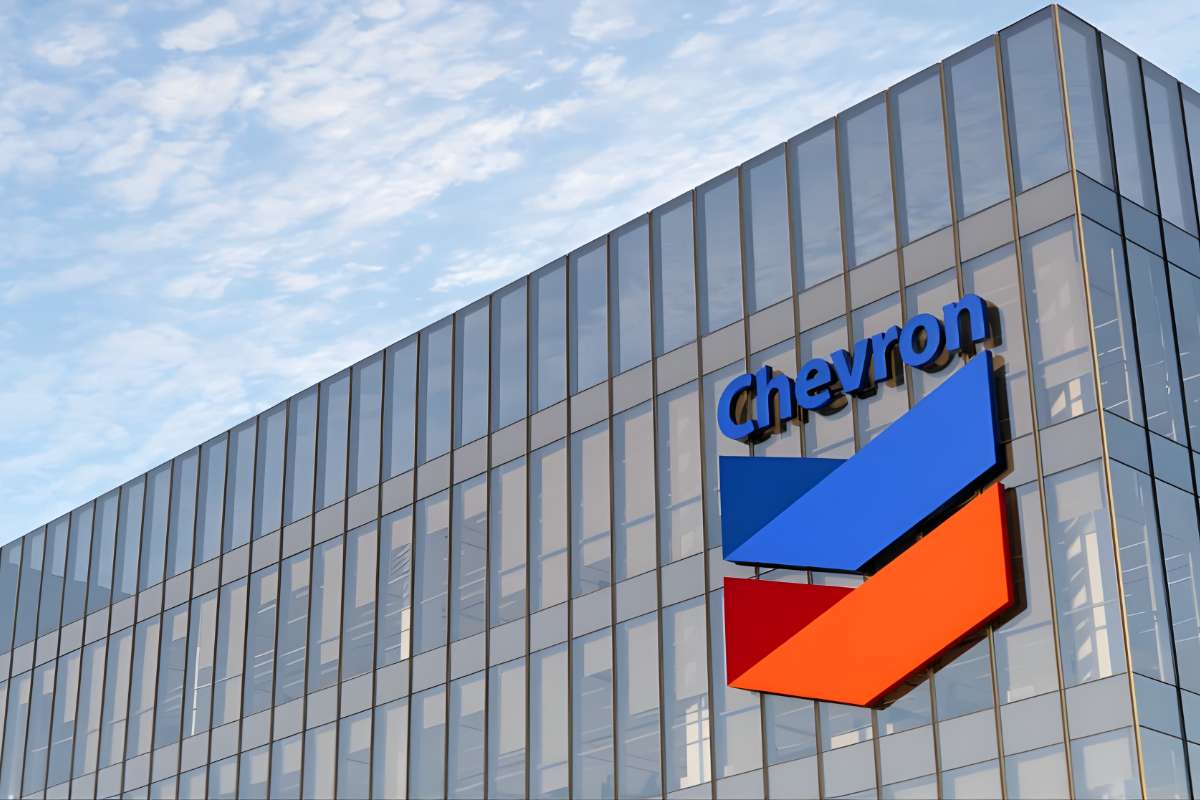
Chevron investors stayed on edge Wednesday after a weekend U.S. military operation in Venezuela and a report that the oil major is teaming with Quantum Energy Partners to bid for $22 billion in Lukoil’s international assets.
Chevron shares slipped 0.4% in early trading on Wednesday, extending a volatile week for the stock. The decline followed a 5.1% jump Monday and a 4.5% drop in the previous session, reflecting investor uncertainty around geopolitics and potential dealmaking.
The stock’s swings came as markets absorbed the surprise U.S. military capture of Venezuelan President Nicolás Maduro over the weekend. President Donald Trump said Washington hopes U.S. companies will help repair Venezuela’s damaged oil infrastructure, a comment that immediately put Chevron in focus.
Chevron is the only U.S. oil company currently operating in Venezuela under a special license. That position has made the company particularly sensitive to political developments in the country, which holds some of the world’s largest crude reserves but has seen output collapse after years of mismanagement and sanctions.
Other energy stocks also moved sharply this week. Valero Energy, SLB, Halliburton Co., and Exxon Mobil all posted sizable gains or losses as traders reacted to shifting expectations for supply, sanctions, and future U.S. involvement in Venezuela’s oil sector.
U.S. Action in Venezuela Sparks Sharp Swings in Energy Stocks
Oil prices fell about 1% Wednesday after Trump said Venezuela agreed to supply the United States with up to 50 million barrels of sanctioned oil. The White House did not provide details on how the sales would be structured or how proceeds would be handled.
Those unanswered questions matter for Chevron, analysts said, because changes in sanctions or licensing terms could directly affect its operations and long-term investment plans in the country.
“The policy signals are moving fast, and that creates uncertainty for companies with exposure to sanctioned regions,” said one energy market analyst, who cautioned that conditions could change quickly.
Chevron declined to comment on Venezuela beyond previously stated positions. The company has said it operates under U.S. law and complies with all applicable regulations.
Chevron, Quantum Eye $22 Billion Lukoil Asset Sale
Investor attention is now also focused on a potential Chevron-led bid for Lukoil’s non-Russian assets. The Financial Times reported that Chevron is working with private equity firm Quantum Energy Partners to pursue the deal, valued at about $22 billion.
The assets include oil production and refining facilities and more than 2,000 filling stations across Asia, Europe, and the Middle East. Lukoil began exploring a sale of its international portfolio last year amid tightening Western sanctions on Russia.
Chevron told Barron’s that it “has a diverse exploration and production portfolio globally and continues to assess potential opportunities,” adding that it follows a strict code of business ethics and complies with all laws. Quantum declined to comment.
Other potential bidders include Abu Dhabi-based International Holding Company and global investment firm Carlyle, according to earlier reports.
Sanctions, Politics Loom Over Any Potential Deal
Washington imposed sanctions on Russia’s two largest oil producers, Rosneft and Lukoil, in October. The measures froze U.S. assets and barred American entities from doing business with the companies without special approval.
The U.S. Treasury Department has given Chevron and Quantum until Jan. 17 to negotiate with Lukoil, the Financial Times reported. Any transaction would require explicit U.S. regulatory approval, effectively placing the final decision under Trump’s authority.
Sanctions risk has already derailed at least one bid. Swiss commodities trader Gunvor withdrew from talks in November after the administration said it would block a deal due to the firm’s ties to Moscow.
For Chevron investors, the mix of geopolitical shocks, regulatory hurdles, and potential acquisitions has driven sharp price moves. Market participants say the volatility is unlikely to fade soon as Washington weighs both Venezuela policy and Russian sanctions enforcement.