The European Commission on Wednesday proposed a package to modernize and expand the EU’s energy grid to lower consumer bills, improve security, and accelerate cross-border connections amid rising demand for clean power.
Commission Pushes To Remove Bottlenecks And Boost Connectivity
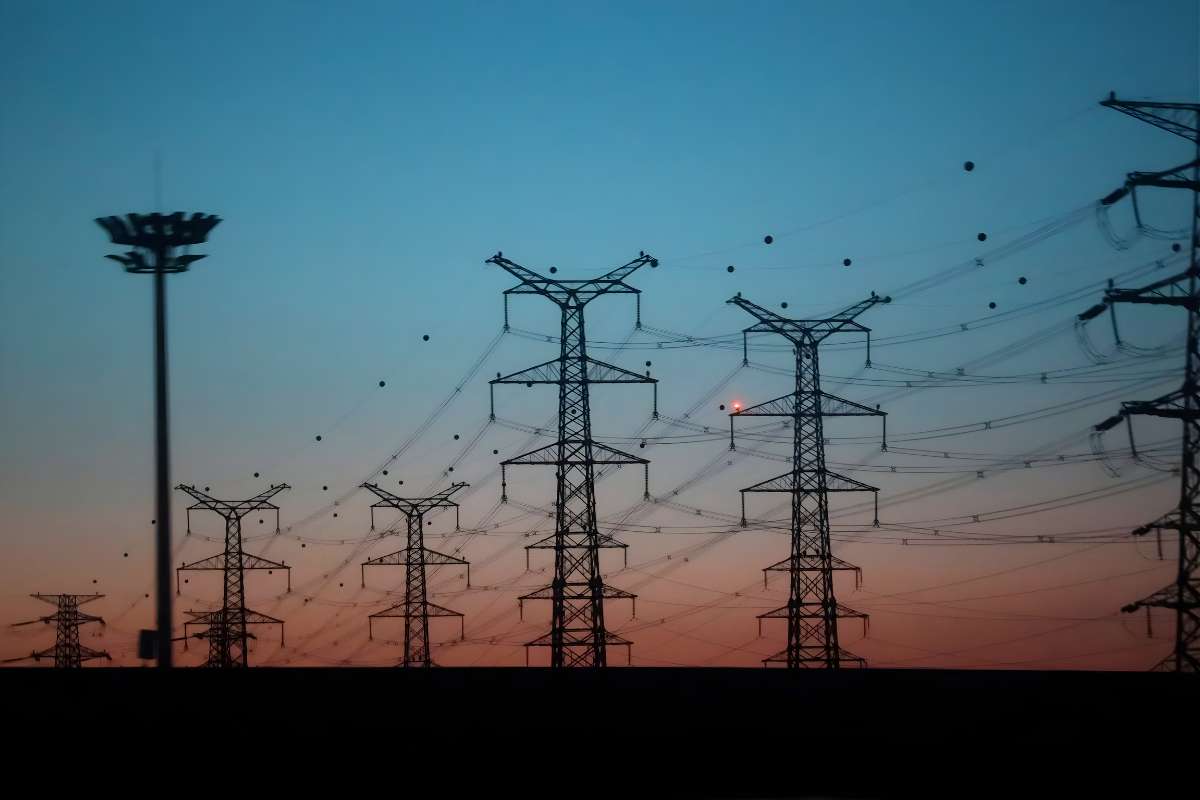
The Commission said the plan aims to fix long-standing delays and gaps in Europe’s power network by removing bottlenecks, increasing interconnection, and speeding up permitting for new infrastructure. Officials said the measures are essential as countries shift to renewable energy and seek to cut dependence on imports.
“Grid infrastructure is the backbone of our EU energy system, but it is not yet fit for the future,” Energy Commissioner Kadri Simson said in a statement. “We need faster permitting and smarter planning to keep prices down and guarantee reliable supply.”
The proposal calls for a continent-wide approach to planning, ensuring that existing grid assets are used more efficiently before new capacity is built. It also sets out rules for fairer cost sharing for cross-border projects, which have often stalled because of disputes over financing.
EU Plans Eight Energy Highways After Lagging Interconnection Progress
Despite progress on renewable energy and regional cooperation, the Commission said several member states remain off track to meet the 2030 target of achieving at least 15 percent electricity interconnection capacity. The shortage limits the flow of cheaper renewable power between countries and increases price volatility.
In her 2025 State of the Union address, Commission President Ursula von der Leyen announced plans for eight new “energy highways” designed to address the EU’s most urgent grid needs. These projects include cross-border transmission corridors and key upgrades such as the interconnection of the Cyclades Islands in Greece, which is expected to reduce local generation costs and support grid stability.
“We cannot build a true EU energy union without strong links between our national grids,” von der Leyen said at the time. “These highways will ensure clean and affordable energy flows where it is needed most.”
The Commission said some countries rely heavily on fossil-fuel imports when renewable electricity from neighbors goes unused because of weak interconnections. Strengthening links, it said, will support the bloc’s climate goals and reduce exposure to supply shocks.
Next Steps As Parliament And Council Take Up Legislation
The legislative package now goes to the European Parliament and the Council under the ordinary procedure. Lawmakers are expected to review cost-sharing rules, permitting deadlines, and the criteria for selecting priority cross-border projects.
EU energy analysts said the plan could face political challenges but called it an essential step for Europe’s long-term competitiveness. “Modernizing Europe’s grid is not optional,” said Sophie Lambert, an energy policy researcher at the Bruegel think tank. “Without stronger interconnections, the EU will struggle to integrate more renewables, manage peak demand, and keep consumer bills under control.”
Member states will continue to work with the Commission on implementation. Officials said the goal is to accelerate construction, ensure transparency in project selection, and coordinate national plans so they align with EU-wide needs rather than narrow domestic priorities.
The Commission emphasized that speeding up permitting is critical. Large transmission projects typically take more than a decade to complete, and delays can slow investment in wind, solar, and other clean energy sources.
The proposal underscores that a reliable, efficient grid is central to Europe’s energy transition. As the bloc pushes to phase out fossil fuels and scale up renewables, officials say infrastructure must keep pace to support energy independence and avoid future crises.
Visit Oil Gas Energy Magazine for the latest information.