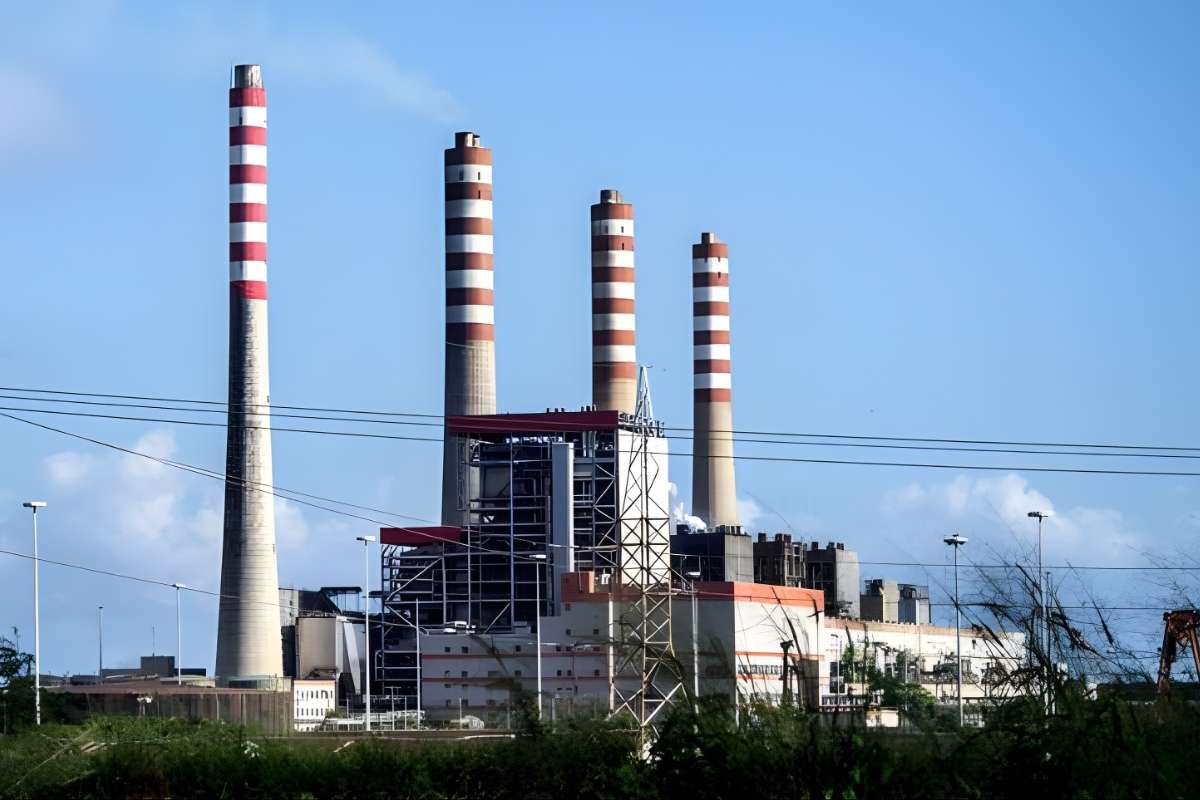

BP withdrew its H2Teesside bid Monday after a land dispute with Teesworks over proposed AI data centre plans on overlapping property, the company said in a letter to Energy Secretary Ed Miliband.
BP Cites Land Overlap, Reduced Demand
BP said it was ending its application for development rights to build the blue hydrogen facility, noting the decision “had not been taken lightly.” The company said the withdrawal followed unresolved differences with Teesworks and the South Tees Development Corporation over competing plans for an AI data centre.
BP said it believed the hydrogen plant and data centre could have coexisted, citing earlier submissions to Miliband in which the company said Teesworks “chose to ignore” proposals to meet. Teesworks had argued that land outside the hydrogen boundary would be restricted under high-hazard regulations and that a hydrogen pipeline would hinder construction of a planned National Grid substation.
The company also pointed to declining local hydrogen demand. BP said the closure of Sabic’s steam cracker at Wilton International removed the project’s primary off-taker. BP H2Teesside had been expected to generate one gigawatt of blue hydrogen, or about ten percent of the government’s 2030 target, with emissions stored through the Net Zero Teesside carbon capture project. BP said the withdrawal does not affect its carbon capture investments in the region.
BP declined further comment beyond its letter.
Developers Defend Data Centre Plan
Teesworks submitted plans in June for a three-storey AI data centre employing about seven hundred workers. BP noted that the Health and Safety Executive would have allowed the facility near the hydrogen plant if it had fewer than one hundred employees and was under two storeys. BP said Teesworks did not revise its proposal.
Teesworks has faced scrutiny after land deals that generated more than £50 million in profit following the purchase of a one hundred-acre plot for about £100. The company has said it has lined up a prospective operator for the data centre. Teesworks did not respond to requests for comment Tuesday.
The South Tees Development Corporation has previously said the data centre would support regional economic growth. The corporation did not return requests for comment.
Officials, Industry Respond to Withdrawal
Peter Dodd, chair of the Institution of Chemical Engineers’ BP H2Teesside members group, said the withdrawal will affect local industry. “There will be less demand for chemical engineers in Teesside, not only from the lack of a hydrogen plant but from downstream users that planned to rely on it,” Dodd said.
Tees Valley Mayor Ben Houchen, who also chairs the development corporation, welcomed BP’s decision. He said in a LinkedIn post that the data centre would position BP H2Teesside “at the heart of the UK’s fast-growing AI and tech industry.”
Miliband, who had been expected to determine which project would proceed, has not publicly commented on the withdrawal. Efforts to reach his office were unsuccessful.
BP noted in its letter that it was unclear why the data centre could not be located elsewhere on the roughly two thousand-acre Teesworks estate. Developers have said the chosen plot meets infrastructure needs for power and connectivity.
Visit Oil Gas Energy Magazine for the most recent information.