Oil prices rose in early Asian trading Monday as investors weighed the effects of potential new restrictions on Russian energy flows and disruptions at major refineries, both of which are expected to limit supply in the months ahead.
As of 9:50 p.m. ET (1:50 a.m. GMT Tuesday), Brent crude futures for November delivery gained 0.6% to $67.06 per barrel, while West Texas Intermediate (WTI) crude climbed 0.5% to $63.02. The increase followed a weekly decline in Brent of nearly 0.5%, as traders adjusted positions around expectations for future policy measures designed to ease energy costs.
Restrictions seen as tightening supply
The European Commission last week introduced proposals for additional limits on Russian energy trade, which market participants interpreted as a potential constraint on global supply. The measures include extending penalties to intermediaries that help facilitate flows in violation of earlier restrictions and expanding monitoring of shipping activity.
Traders said the prospect of tighter enforcement reinforced expectations that Russian export volumes could decline in coming quarters. Market analysts noted that any curbs on Russian flows, whether through shipping or liquefied natural gas (LNG) trade, would narrow the margin of supply available to global buyers, providing a floor under prices.
Refinery outages add to pressure
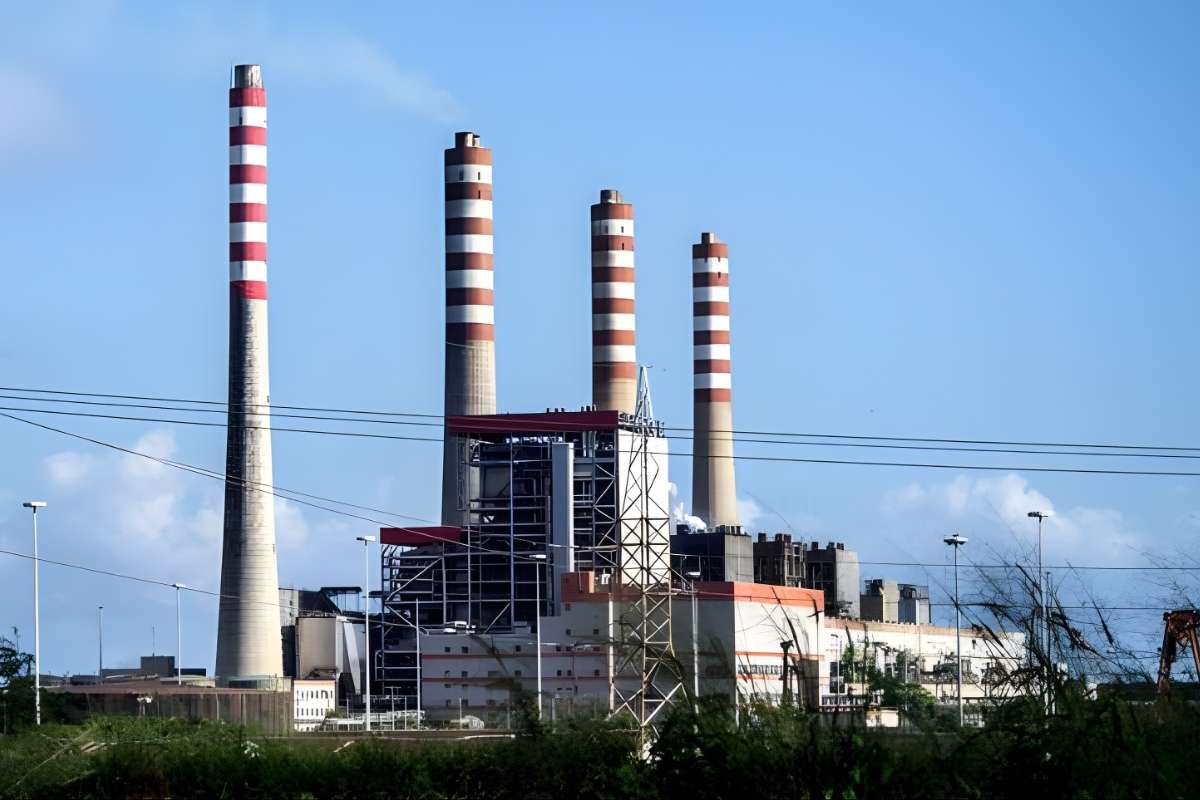
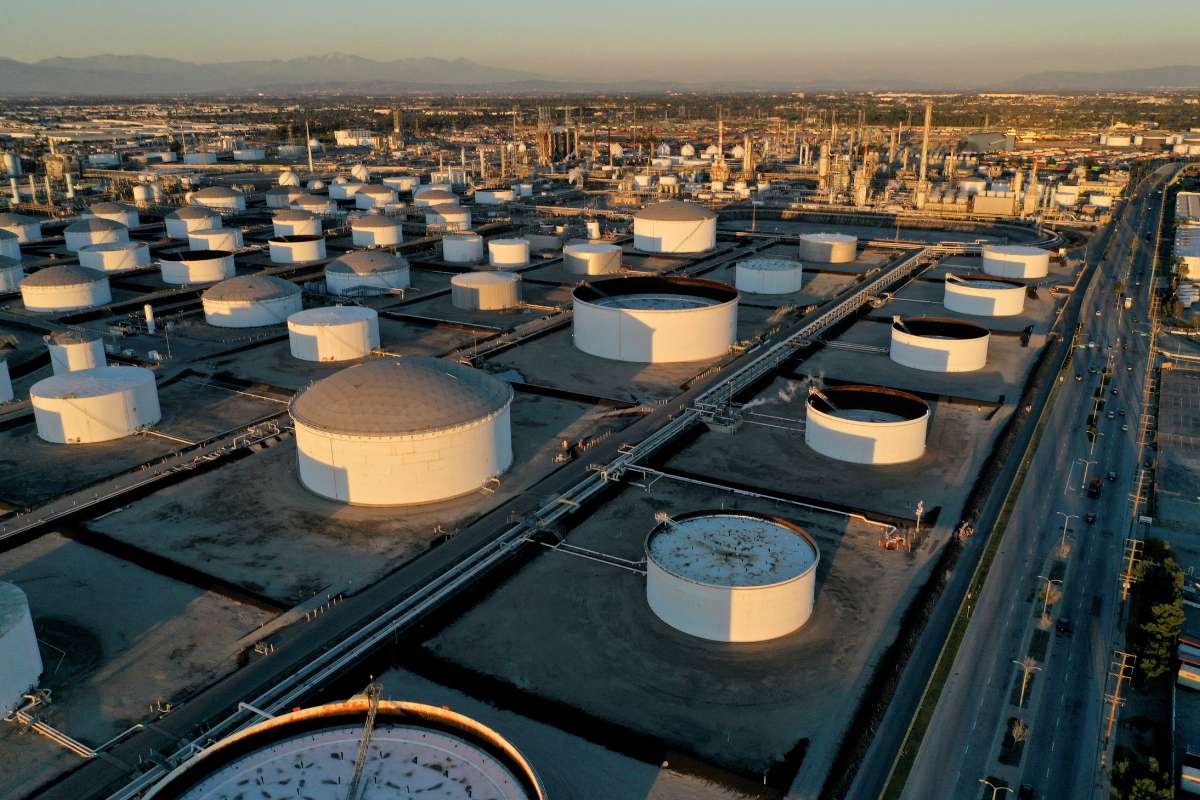
In parallel, strikes on Russian refineries reduced processing capacity, contributing to tighter regional output and raising global supply concerns. Fires and explosions at facilities in the Volga region disrupted operations at plants with a combined throughput of more than 15 million tons of crude annually.
Energy markets viewed the outages as significant because even short-term interruptions in refining or pipeline capacity can constrain exports of both crude and petroleum products. With global inventories already balanced on thin margins, traders said the Oil Refinery Disruptions losses added to the perception that supply risks remain elevated.
Market outlook
Oil Refinery Disruptions markets remain shaped by the tension between potential supply constraints and softer demand growth. Concerns over economic slowdowns in major consuming regions continue to weigh on sentiment, but regulatory pressures and infrastructure risks have limited the downside for prices.
Analysts expect volatility to persist as investors monitor developments in both policy enforcement and refinery capacity. Any acceleration of trade restrictions or prolonged Oil Refinery Disruptions shutdowns could tighten balances further, while weak demand indicators may continue to cap gains.
For now, the combination of proposed restrictions on energy trade and unplanned refinery outages has shifted attention back to supply-side risks, providing support for benchmark crude futures.
Visit Oil Gas Energy Magazine for the most recent information.