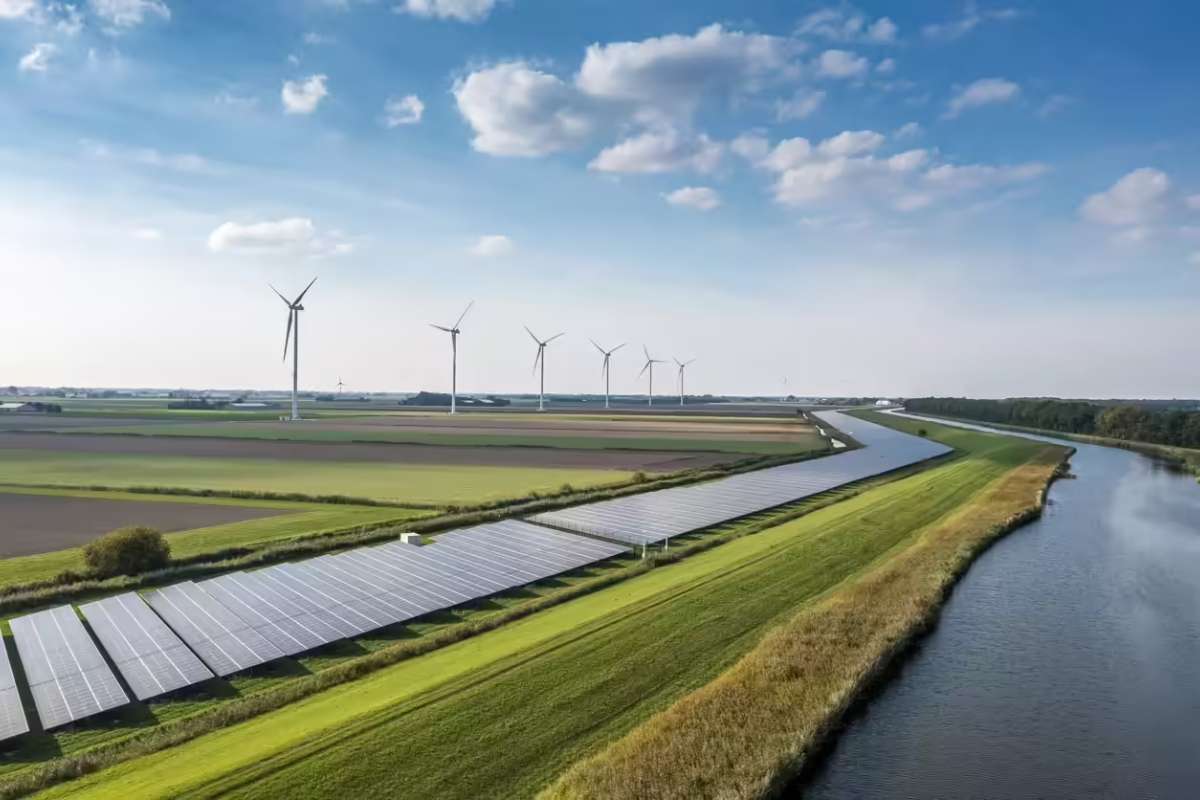
China’s clean energy milestone, Southeast Asia’s largest wind farm in Laos, marks a significant step in the $625 billion China has invested in green technology worldwide. The project, featuring 133 turbines, began commercial operations in August 2025 and will export electricity to Vietnam.
This investment reflects China’s role in the expanding global renewable energy infrastructure market, where wind and solar remain the fastest-growing segments. As global demand for clean power surges, projects like the Laos wind farm illustrate how renewable assets are becoming a cornerstone of international energy trade.
Supply Chain and Manufacturing Leadership
China currently manufactures about two-thirds of the world’s electric vehicles and over 60 percent of its wind turbines. This production leadership underpins its industrial competitiveness, providing both a strong export pipeline and a foundation for continued growth in clean energy technology.
The Laos wind project highlights how Chinese expertise in large-scale manufacturing and engineering translates into renewable infrastructure abroad. By supplying both technology and investment, China strengthens its position as a major renewable energy exporter, reinforcing its influence across global supply chains.
Regional Energy Trade and Cross-Border Benefits
The wind farm in Laos not only represents a landmark renewable project but also enhances regional electricity trade. All of the power generated will be exported to Vietnam, a country experiencing rapidly growing energy demand.
For Laos, hosting the infrastructure opens opportunities to attract future China’s clean energy investments, create jobs in construction and maintenance, and establish a stronger presence in Southeast Asia’s renewable sector. For Vietnam, the agreement provides stable power imports to meet industrial and consumer demand, further integrating regional energy markets.
Economic Returns and Export Potential
Analyst projections suggest that China’s clean energy exports could generate $340 billion annually within the next decade, a figure that rivals traditional fossil-fuel revenues in some of the world’s leading oil-exporting nations.
Such growth positions China at the forefront of renewable technology trade, signaling not only environmental benefits but also long-term economic returns. The Laos wind farm serves as a model for how investment in renewable infrastructure can fuel export revenues while supporting global climate targets.
Opportunities and Future Outlook
While the Laos project is designed to supply electricity abroad, it highlights the broader opportunity for host countries to balance export-led energy production with local development priorities. Considerations around community integration and environmental stewardship will remain essential as more large-scale projects come online.
Looking ahead, China’s continued expansion in wind and solar underscores its pivotal role in the China’s clean energy transition. As renewable trade networks grow, countries like Laos and Vietnam are poised to benefit from infrastructure development and reliable energy flows, demonstrating how international cooperation in green technology can drive sustainable growth across borders.
Visit Oil Gas Energy Magazine for the most recent information.