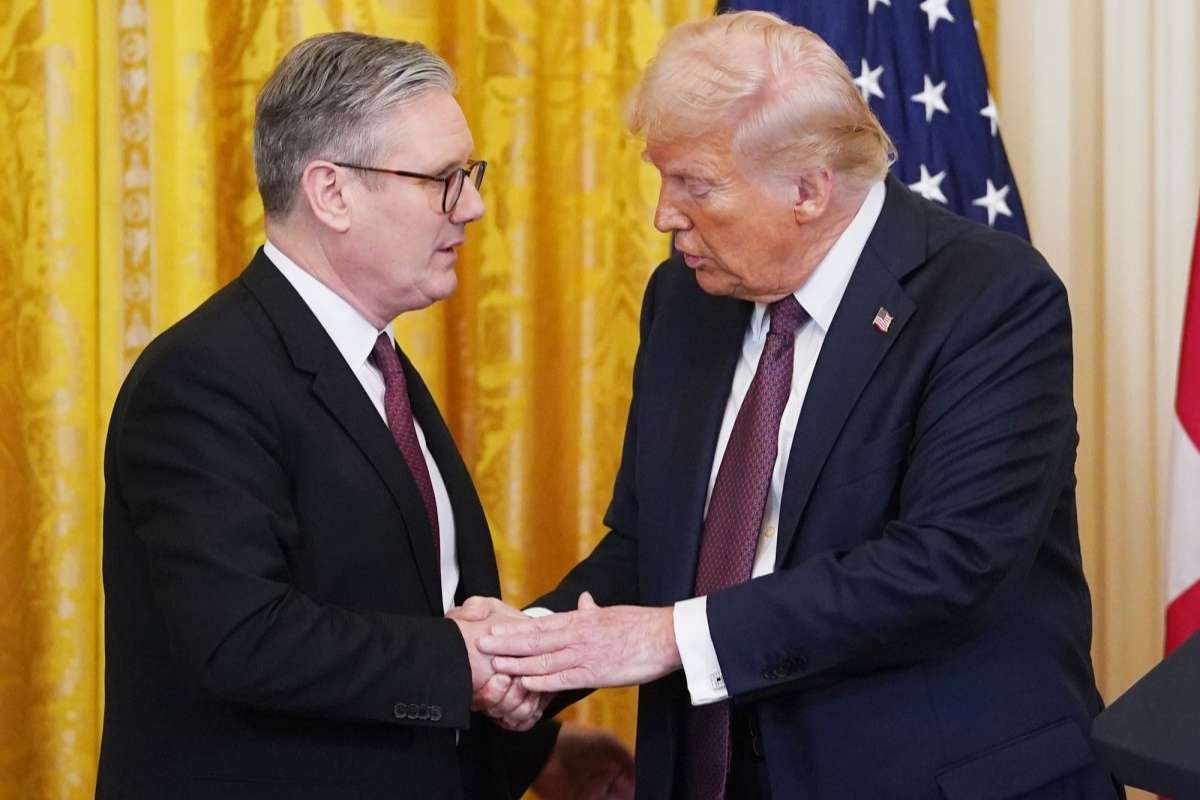
Transatlantic agreement aims to boost innovation, job creation, and global technology leadership. The United States and the United Kingdom have finalized a $350 billion technology and energy pact designed to accelerate innovation in AI and nuclear power, and advanced computing. The agreement, announced during President Donald Trump’s visit to London, underscores a strategic effort to strengthen transatlantic trade ties while securing both nations’ leadership in the global technology race.
Prime Minister Keir Starmer described the partnership as one with the “power to change lives,” emphasizing its role in economic growth and innovation. Trump highlighted the scale of the commitments, framing the deal as a driver of investment, high-value jobs, and long-term competitiveness.
Key Industries and Market Impacts
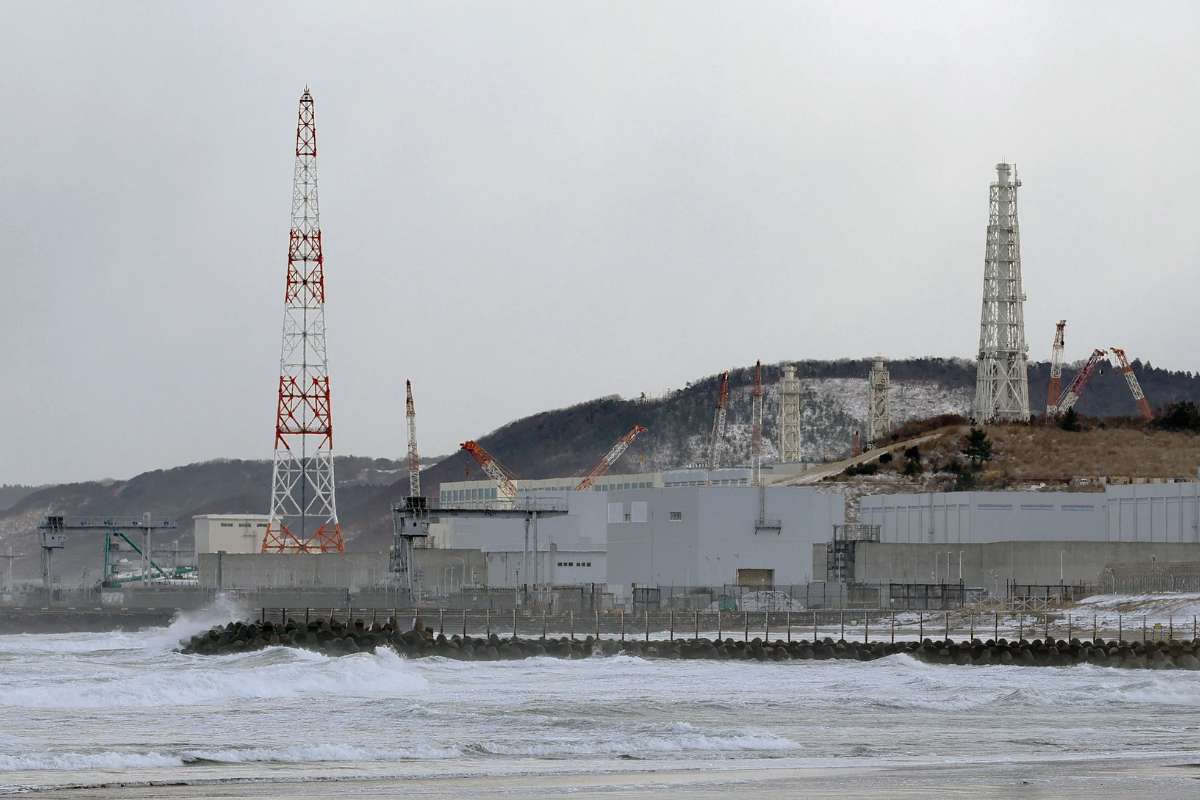
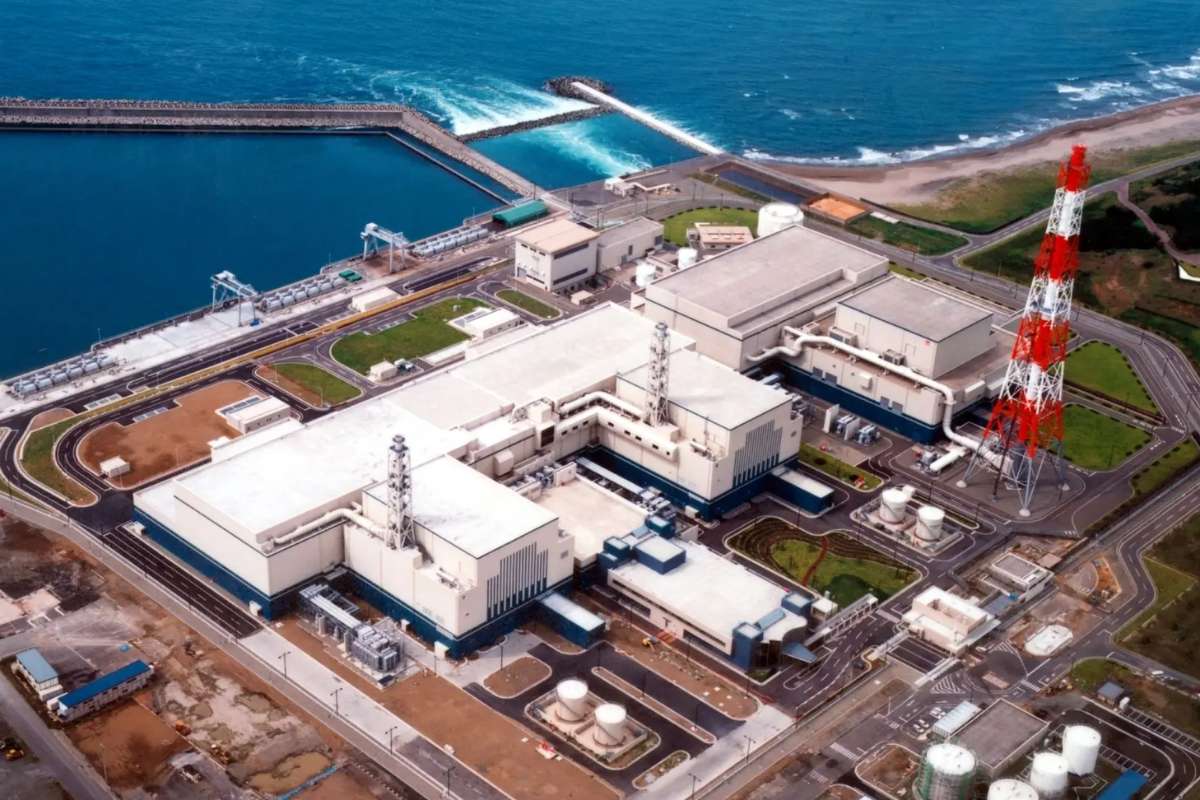
The agreement spans multiple high-growth sectors, including artificial intelligence research, next-generation AI and nuclear power projects, advanced semiconductor development, and joint research and development initiatives. Industry analysts say the pact could accelerate the rollout of commercial AI applications, expand clean energy capacity, and fortify supply chains critical to defense and digital infrastructure.
Executives from Apple, Nvidia, and OpenAI were present at related events, signaling strong private-sector alignment. For U.S. and U.K. firms alike, the partnership opens opportunities for AI startups, cloud service providers, nuclear technology developers, and semiconductor manufacturers. Venture capital investors and research institutes are also expected to benefit from enhanced funding flows and expanded cross-border collaboration.
“This deal sends a clear signal that the U.S. and U.K. are investing not just in technology, but in the ecosystems of talent and capital that drive innovation,” said one senior industry advisor.
Building Economic Resilience and Energy Security
Beyond innovation, the pact is intended to enhance energy resilience and secure supply chains at a time of shifting global market dynamics. By pooling expertise in AI and nuclear power and advanced energy technologies, both countries aim to reduce vulnerabilities and support a stable transition to clean energy.
The deal also places emphasis on digital transformation, with new commitments to joint research hubs, cross-border data collaboration, and expanded R&D funding. These initiatives are expected to strengthen the role of both nations in shaping standards for emerging technologies, from quantum computing to ethical AI deployment.
Officials noted that the agreement reflects broader global priorities, resilient energy systems, stable international markets, and technology leadership amid evolving security challenges.
Transatlantic Business Signal
The signing ceremony capped a series of events underscoring the commercial depth of the U.S.-U.K. relationship. Guests included major global business leaders such as Tim Cook of Apple, Jensen Huang of Nvidia, and Sam Altman of OpenAI, underscoring the alignment of government strategy with private-sector momentum.
King Charles highlighted the enduring partnership between the two nations, noting their shared role in shaping economic and social progress. Trump echoed the sentiment, calling the bond “irreplaceable” and stressing the importance of collective investment in innovation-driven growth.
As the two nations move forward, the $350 billion pact positions the U.S. and U.K. at the forefront of global technology competition, with implications for industry, investment, and future economic resilience.
Visit Oil Gas Energy Magazine for the most recent information.