
Massive reinvestment needed just to maintain current production levels, report finds. The International Energy Agency (IEA) has warned that global oil production could fall by as much as 5 million barrels per day annually unless the industry sustains investments of roughly $540 billion every year through mid-century. The forecast highlights a growing supply challenge, as aging oil fields decline faster and reliance on U.S. shale continues to accelerate.
According to the International Energy Agency latest analysis, this scale of investment is not aimed at boosting output but merely at keeping supply flat. The report, based on a review of more than 15,000 oil and gas fields, concludes that the sector is entering a period where maintaining stability requires unprecedented reinvestment.
“The industry has to run much faster just to stand still,” said Fatih Birol, IEA’s executive director.
Annual Supply Losses Could Match Entire Countries’ Output
The agency cautioned that without continuous reinvestment, the world could lose oil volumes equivalent to the combined annual production of Brazil and Norway—over 5 million barrels per day. This projected decline is about 40 percent higher than what would have occurred under similar circumstances in 2010, a trend tied directly to the growing share of shale production in the global mix.
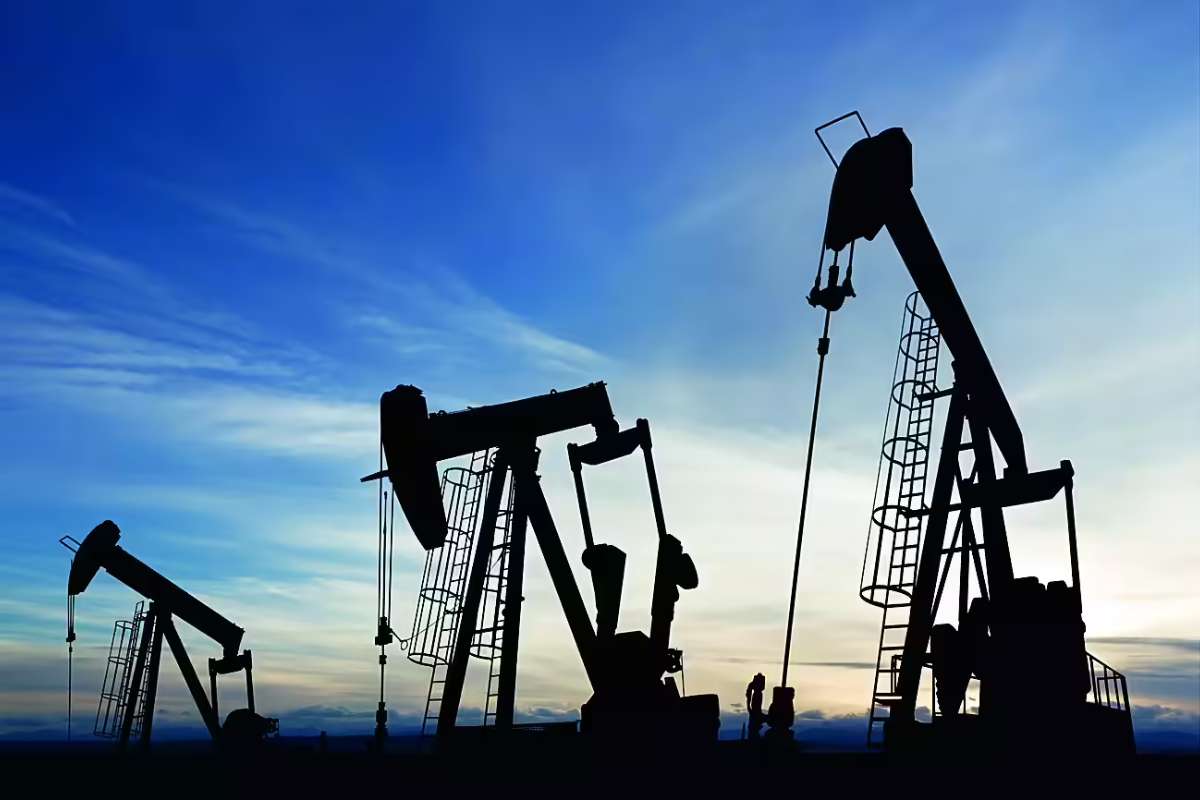
Shale wells, unlike conventional fields, exhibit much sharper decline rates, forcing companies to constantly drill and reinvest to sustain output. This dynamic has left the industry more vulnerable to investment slowdowns, with a narrow margin for error in meeting global demand.
While short-term conditions appear comfortable—with a supply surplus expected in 2025 and into early 2026—forecasts suggest non-OPEC production growth could flatten soon after. Analysts warn that even minor investment pullbacks could tighten the market, leaving prices sensitive to disruption.
Investor Pressure and Shifting Market Dynamics
The International Energy Agency findings arrive at a time when global upstream spending is projected to reach $570 billion this year, slightly higher than the $540 billion threshold needed to maintain stability. However, this figure reflects a modest decline from 2024 levels, raising concerns that the industry’s financial discipline may eventually clash with the urgent need for reinvestment.
For major energy companies such as ExxonMobil and Chevron, the report underscores the importance of maintaining strong capital flows. Investors seeking steady returns may also find support from this environment, as constrained supply could strengthen pricing power even if demand growth slows.
The report also marks a shift in tone from the IEA, which has frequently emphasized climate-focused energy transitions in recent years. By focusing on production decline curves and reinvestment requirements, the agency is signaling that supply risks are rising alongside the push toward cleaner energy.
The Era of Easy Oil Appears to Be Ending
Industry observers note that the need for $540 billion in annual spending reflects not a push for expansion but the realities of field exhaustion and steeper decline rates. As mature assets deplete and newer shale plays require constant reinvestment, the global oil sector is effectively running on a treadmill.
The long-term outlook suggests that whoever manages decline most effectively could shape the next cycle of energy markets. With OPEC’s influence already significant, any slowdown in non-OPEC supply growth could tilt the balance of pricing power back toward the cartel and a smaller group of disciplined producers.
As the International Energy Agency emphasizes, the energy system is entering a new phase. Without sustained and aggressive reinvestment, the global oil supply chain risks falling behind—reshaping both markets and geopolitics in the years ahead.
Visit Oil Gas Energy Magazine for the most recent information.