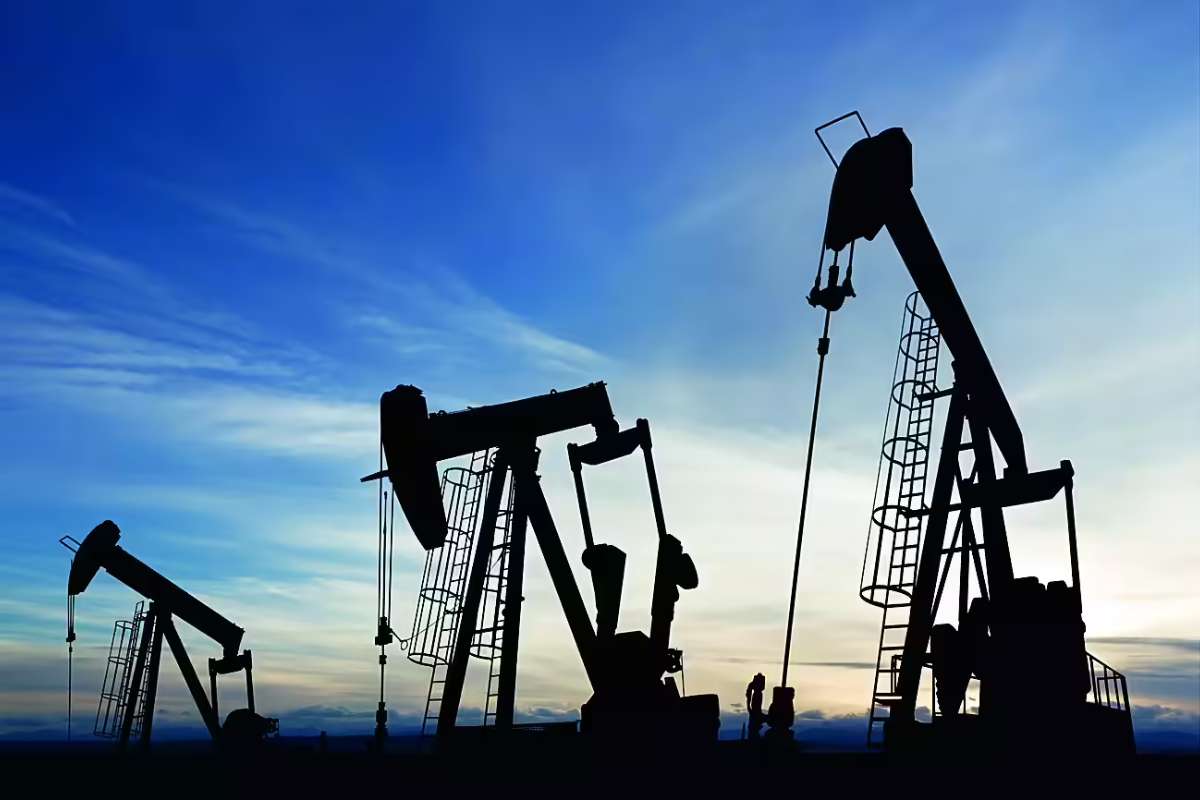

Core producers agree on modest output increase despite weakening price signals. OPEC+ producers, led by Saudi Arabia and Russia, announced on Sunday that they will increase oil production starting in October, citing healthy market conditions, stable economic forecasts, and low global inventories. The decision will add 137,000 barrels per day (bpd) to current output, extending the alliance’s gradual reversal of pandemic-era production cuts.
The move reflects confidence in the oil market’s resilience, though analysts caution that the additional supply could put further pressure on prices already weakened by sluggish demand signals, particularly from the United States.
Smaller Increase After Months of Larger Expansions
The October adjustment marks a more cautious approach than previous increases. In September, OPEC+ producers raised output by 547,000 bpd, nearly four times the amount set for next month. The slower pace suggests the group is wary of oversupplying the market at a time when global demand remains uncertain.
The eight countries participating in the increase, Saudi Arabia, Russia, Algeria, Iraq, Kazakhstan, Oman, and the United Arab Emirates, had already lifted restrictions totaling 2.2 million bpd earlier this year. With the new step, they begin to unwind an additional 1.65 million bpd in cuts.
Each industry-standard barrel contains 159 liters of oil, and while 137,000 bpd represents only a fraction of total global demand, the decision signals how OPEC+ is managing its supply strategy with precision.
Market Impact and Analyst Concerns
Oil prices fell last week after a disappointing U.S. labor market report raised doubts about near-term fuel demand from the world’s largest economy. The news of OPEC+’s planned increase added to downward pressure. Analysts warn that without stronger consumption, the extra supply may lead to oversupply conditions.
“Even before this latest move, OPEC+ producers was already producing more oil than the market currently needs,” analysts at Commerzbank observed, cautioning that inventories could build quickly if demand fails to keep pace.
Still, OPEC+ leaders maintain that fundamentals are supportive. By pointing to low stockpiles and steady economic forecasts, they argue that measured increases will prevent shortages while avoiding abrupt disruptions to the market.
Balancing Supply, Demand, and Global Stability
The decision underscores the delicate balance OPEC+ faces as it manages oil supplies in a volatile global economy. On one side, members are eager to restore production levels reduced during the pandemic, when demand collapsed and prices plummeted. On the other, they must avoid flooding the market, which could spark a steep drop in prices and threaten revenues for oil-dependent economies.
The group’s gradual approach allows flexibility to adjust if economic conditions worsen or if demand strengthens more than anticipated. While the U.S. and Europe are grappling with mixed economic signals, Asian markets, particularly China and India, remain crucial drivers of oil consumption, providing a partial buffer against weakening Western demand.
Looking Ahead
As October approaches, markets will closely watch how prices react to the additional barrels and whether global demand justifies OPEC+’s optimism. For consumers, the impact could be felt at fuel pumps if prices swing in response to the new supply. For producers, the challenge remains balancing national economic needs with collective market stability.
With energy demand shifting alongside global economic trends, OPEC+ decisions remain pivotal in shaping oil prices and influencing inflation worldwide. The modest increase in October illustrates both the group’s cautious confidence and the risks of oversupply in an unpredictable market.
Visit Oil Gas Energy Magazine for the most recent information.