
ExxonMobil’s divestitures highlight industry-wide transition as chemical sector valuations and M&A activity accelerate.
ExxonMobil is moving forward with a significant restructuring of its global portfolio, selling refining and chemical assets in France, the United Kingdom, and Belgium. The company is redirecting capital toward higher-return ventures, including projects in the Permian Basin, offshore Guyana, and liquefied natural gas (LNG) expansion. The shift underscores both Exxon’s commitment to cost discipline and the broader transformation of the chemicals sector, where consolidation and low-carbon strategies are reshaping competitiveness.
Strategic Drivers Behind the Divestitures
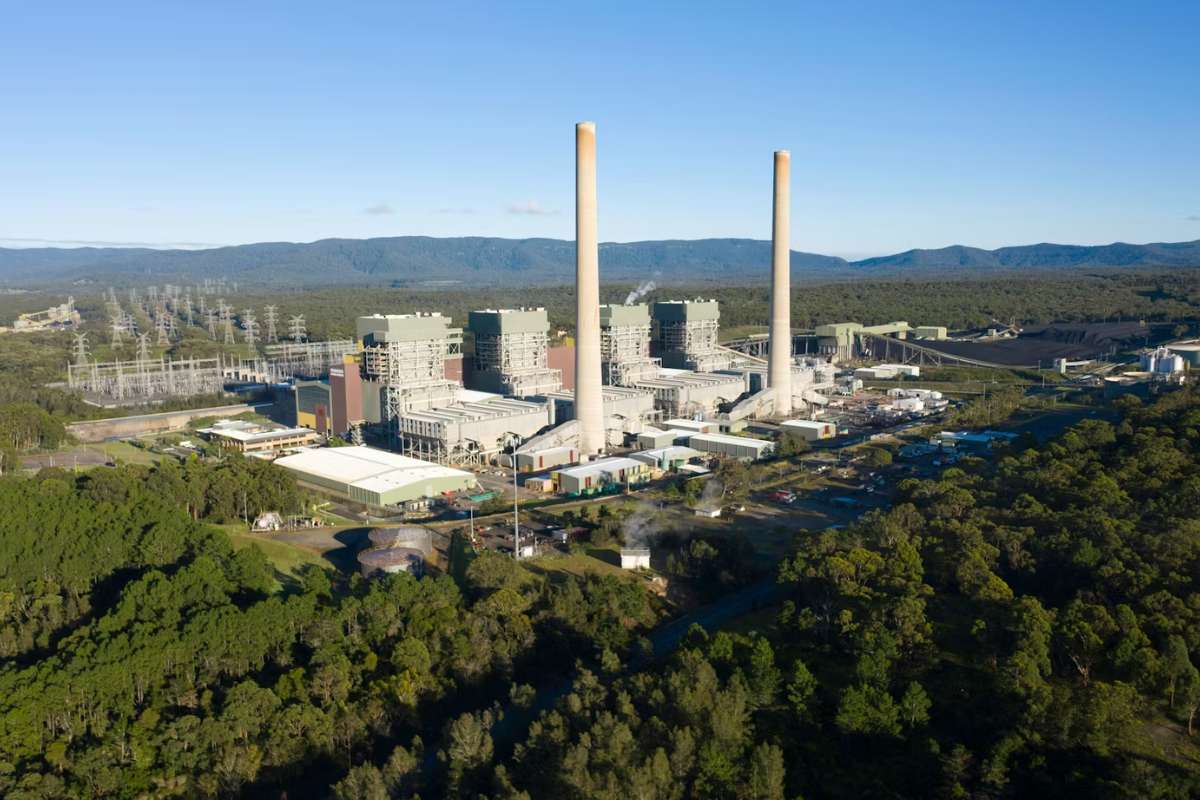
The company’s withdrawal from Europe reflects both operational and regulatory challenges. Rising costs, increasingly complex environmental rules, and limited growth potential have made operations less viable in the region. In one of its most notable deals, ExxonMobil sold its 82.89 percent stake in Esso France to North Atlantic for €3.3 billion. The transaction included the Gravenchon refinery and related chemical operations.
Financially, the deal highlights how buyers are willing to pay premiums for assets that can be repurposed. The per-share price of €149.19 for Esso France exceeded typical sector valuations, showing investor optimism for transition-ready infrastructure. North Atlantic has already announced plans to convert Gravenchon into a “green energy hub,” using the site for low-carbon fuels and renewable energy projects.
ExxonMobil intends to use proceeds from the divestitures to fund upstream developments and shareholder returns. This includes advancing major oil and gas projects while maintaining its $20 billion share buyback program. The company has also targeted $18 billion in cost savings by 2030 as part of its long-term efficiency strategy.
Sector-Wide Impacts and Market Signals
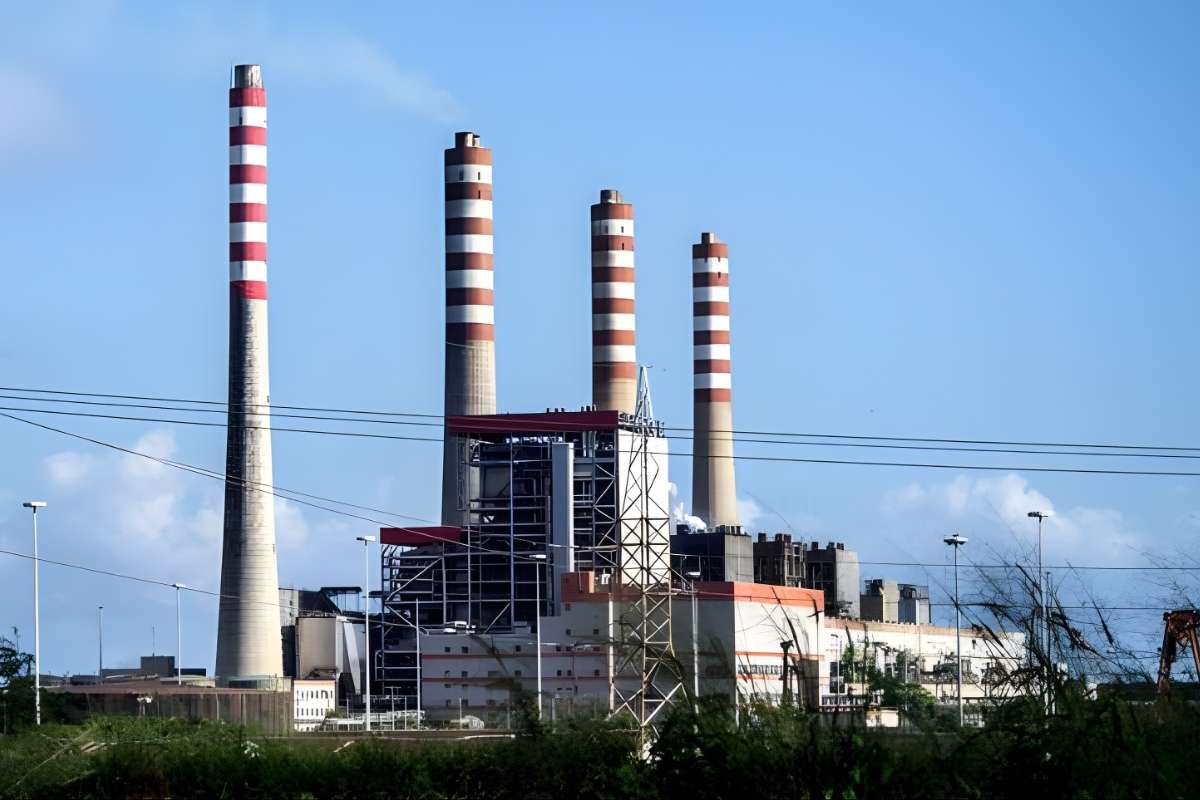
ExxonMobil’s exit adds momentum to a broader realignment in the European refining and chemicals industry. The region’s refining capacity has been shrinking for decades, and with Exxon’s departure, only four of its original 12 refineries will remain by the end of 2025.
This contraction has intensified mergers and acquisitions (M&A) activity. According to industry research, chemical sector deals in Europe are becoming more competitive, with valuations reaching an average of 9.0 times EV/EBITDA in the first half of 2025. Assets that can be adapted to low-carbon uses are drawing the highest interest.
ExxonMobil’s own valuation illustrates current market dynamics. After reporting second-quarter earnings of $7.1 billion, down from $8.2 billion in the first quarter, the company’s stock trades at an EV/EBITDA multiple of 7.57. This is below both its 10-year average and the sector median, reflecting cautious investor sentiment. Still, analysts point to Exxon’s strong balance sheet and free cash flow, $5.4 billion in the second quarter, as evidence it can successfully fund its capital reallocation.
Balancing Risks and Opportunities
Reactions to ExxonMobil’s European divestitures have been mixed. Some investors remain concerned about weaker crude prices and margin pressures across the chemicals industry. Others see the divestitures as a strategic step that strengthens Exxon’s position in markets with better long-term potential.
Industry analysts suggest that firms with robust financial capacity, like ExxonMobil, are best positioned to benefit from sector consolidation. Companies acquiring or repurposing divested assets—particularly those aligned with energy transition goals such as hydrogen, biofuels, and circular economy infrastructure—are likely to command premium valuations.
For ExxonMobil, the key outcome is capital redeployment into projects with higher expected returns. By pivoting away from Europe, the company is prioritizing efficiency and shareholder value, while leaving room for emerging players like North Atlantic to reposition traditional refining assets for the low-carbon era.
ExxonMobil’s asset sales mark more than a corporate restructuring—they represent a microcosm of the chemicals sector’s transformation. Traditional refining operations are increasingly being reimagined as platforms for next-generation fuels and materials. As buyers repurpose legacy sites into green energy hubs, the line between conventional oil and chemicals and new low-carbon infrastructure continues to blur.
For the industry, this transition means greater competition for transition-ready assets, rising valuations, and heightened focus on cost efficiency. For ExxonMobil, it is a bet that disciplined divestitures and reinvestments today will secure long-term growth in an evolving energy landscape.
Visit Oil Gas Energy Magazine for the most recent information.